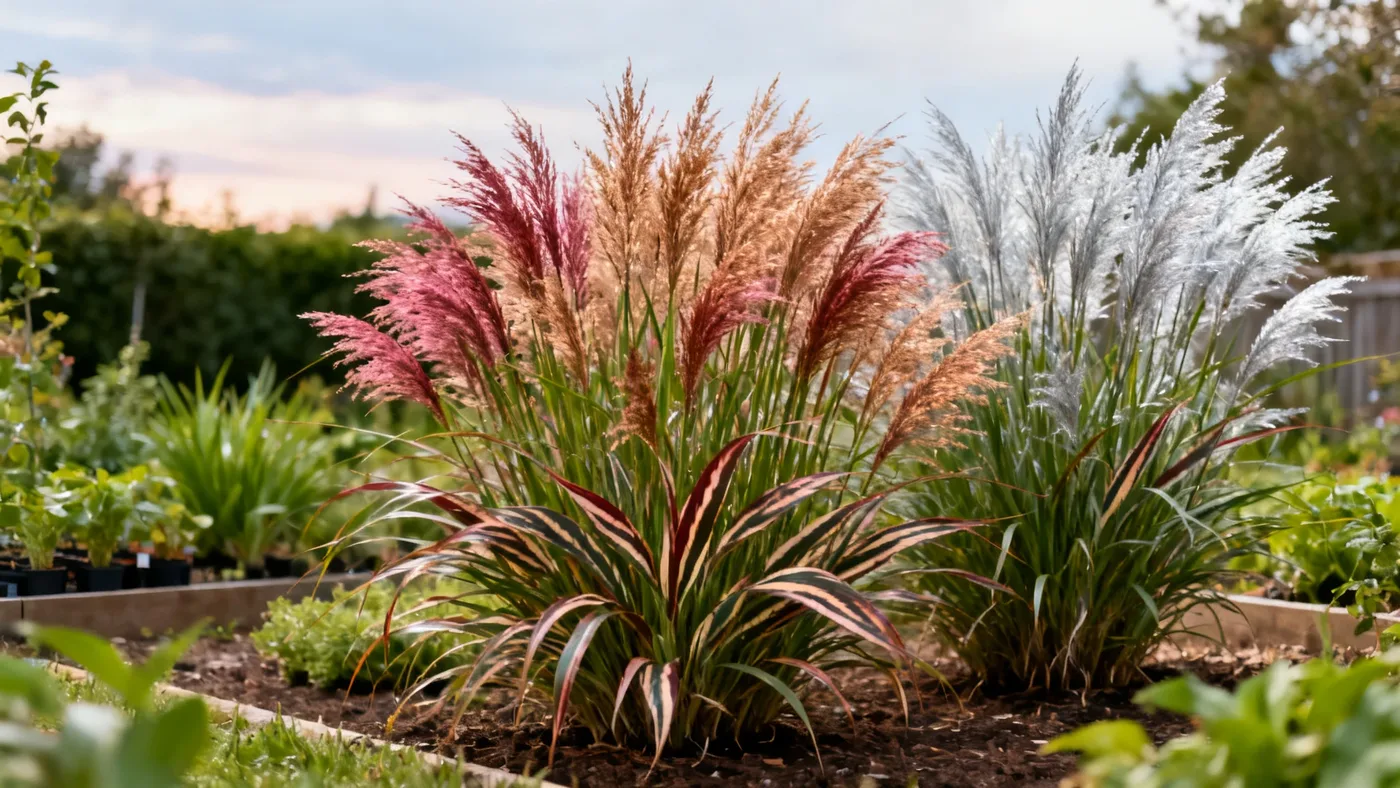
When Does Dwarf Zebra Grass Bloom and How Long Do Plumes Last?
Right now, at the end of September, Dwarf Zebra Grass is hitting peak bloom across much of the country. If you've planted this ornamental grass earlier this year or are thinking about adding it to your garden, understanding when and how it flowers is crucial to maximizing its ornamental value. Unlike many perennials that demand constant deadheading, Dwarf Zebra Grass puts on a show that improves with age, starting with upright plumes in late summer and lasting all the way through winter.
Bloom Time: Late Summer Through Fall
Dwarf Zebra Grass (Miscanthus sinensis 'Little Zebra') blooms from roughly August through October, though the exact timing shifts by zone and regional climate. In warmer areas like USDA Zone 9, flowers often appear as early as late July or the first week of August. In cooler zones like 4 or 5, expect blooms to start showing up in mid to late September, which is exactly what's happening right now in much of the northern half of the country.
The bloom cycle isn't a single-day event. Instead, the plant produces flower spikes over several weeks. You might see the first plumes emerge in August, with new ones continuing to form through September. This extended bloom window means your plant stays visually interesting for longer than grasses that flower all at once and finish quickly.
What the Plumes Look Like and How They Change
When Dwarf Zebra Grass first flowers, the plumes emerge upright and display a coppery-pink to reddish color. This is the most striking phase. Over the course of a few weeks, the color gradually shifts from that warm coppery tone to silvery-tan and eventually to white as the plumes mature and dry. By October, you've moved from deep autumn tones to pale, almost ethereal color.
The plumes grow well above the foliage, typically reaching 4 to 5 feet tall when the flowers are fully extended, compared to 3 to 4 feet for the foliage alone. This height means the flowering display is impossible to miss in the garden, whether you've planted Dwarf Zebra Grass as a specimen accent or in a mixed border.
The variegated foliage itself changes too. While the narrow green blades with their distinctive horizontal creamy-yellow bands are beautiful all growing season, fall brings another layer of color. The foliage shifts to tan, gold, and bronze tones in autumn, creating a warm backdrop for those silvering plumes.
How Long Do the Plumes Actually Last?
This is where Dwarf Zebra Grass really earns its place in the garden. Once the plumes mature and dry, they persist through the entire winter. You don't cut them back until late winter or very early spring, typically in February or March depending on your zone. This means a single show of flowers essentially provides garden interest for six months or longer.
The plumes continue to look attractive even after hard frosts and snow. They develop a frosted appearance in winter and catch light beautifully in low morning or evening sun. Many gardeners specifically keep their Dwarf Zebra Grass standing through winter for this reason alone. Cutting back too early means losing weeks or months of ornamental value.
The dried plumes also attract wildlife. Small songbirds pick at the seed heads, and the dried foliage and plume structure provide shelter for beneficial insects and other small creatures overwintering in the garden.
Bloom Timing by USDA Zone
The exact bloom window varies significantly by zone. Use this guide to know when to expect flowers in your area:
| Zone | Typical Bloom Start | Typical Bloom Peak | Plume Persistence Through Winter |
|---|---|---|---|
| 4-5 | Mid to late September | September to October | Yes, until late winter |
| 6-7 | Late August to September | September to October | Yes, until late winter |
| 8-9 | Early to mid-August | August to October | Yes, until late winter |
These dates assume typical weather patterns. A particularly hot, early autumn might push bloom times earlier. A cool summer following a late spring could delay flowering by a week or two. If you're uncertain about the exact timing in your area, contact your local extension service, which will have region-specific observations based on years of local data.
Will Your First-Year Plant Bloom?
Many gardeners ask whether a young Dwarf Zebra Grass will flower the first season. The answer is yes, often. Plants frequently produce blooms in their first or second year. However, the plume display will be more modest than what you see on mature plants. A first-year plant might produce just a handful of plumes, while a 3-year-old plant at full mature size produces a much fuller, showier display.
This doesn't mean your new plant is failing. It takes about 2 to 3 growing seasons for Dwarf Zebra Grass to reach its full mature clump size of 2 to 3 feet wide. Once there, the bloom show becomes noticeably more dramatic. Patience during those early years pays off with a fuller, more impressive plant.
Care During and After Bloom
During the blooming phase, Dwarf Zebra Grass needs minimal intervention. Continue to water during dry spells, but once the plant is established, it's quite drought tolerant. Avoid fertilizing at this stage. The plant doesn't need it, and excess fertilizer can cause the foliage and plumes to become floppy and lose their upright form.
You might notice the plant beginning to flop or lean by October if it was overfed earlier in the season. This is often cosmetic in the garden, but it's preventable. If you planted Dwarf Zebra Grass in part shade or with shade from nearby plants, the plumes may lean or the overall form will be looser than ideal. Dwarf Zebra Grass performs best in full sun, which means 6 or more hours of direct sunlight daily. Full sun keeps it upright and maximizes flowering.
Once the plumes have fully matured and dried (usually by mid-October in most zones), leave them standing. Resist the urge to cut back. The winter display is worth the wait. Cut all foliage back to 4 to 6 inches above the ground in late winter or very early spring, before new growth emerges.
Pairing Blooms with Other Fall and Winter Bloomers
Dwarf Zebra Grass is at its most striking when paired with fall perennials that complement its vertical plumes and warm autumn foliage. Black-eyed Susans (Rudbeckia), coneflowers (Echinacea), and Russian sage (Perovskia) all bloom during the same window and provide a contrast in flower form and color. Sedums transition beautifully through autumn and hold their dried seed heads through winter, mirroring the ornamental value of the grass.
For a comprehensive guide to maintaining Dwarf Zebra Grass through all seasons and maximizing its beauty year-round, see The Complete Dwarf Zebra Grass Care Guide for Every Season.
Bloom Season Checklist
- My plant is in full sun (6 or more hours daily) to maximize flowering and upright form
- I'm not over-fertilizing, which would cause flopping or floppy growth
- I'm waiting to cut back until late winter or very early spring (February or March)
- I'm leaving the mature plumes standing through winter for extended ornamental interest
- I've noted the coppery-pink to silvery-tan color shift as it occurs
- I've planted complementary fall bloomers nearby for a cohesive display
- I've checked my zone-specific bloom window to know what to expect this year
- I understand that first-year plants will have fewer plumes than mature 3-year-old plants