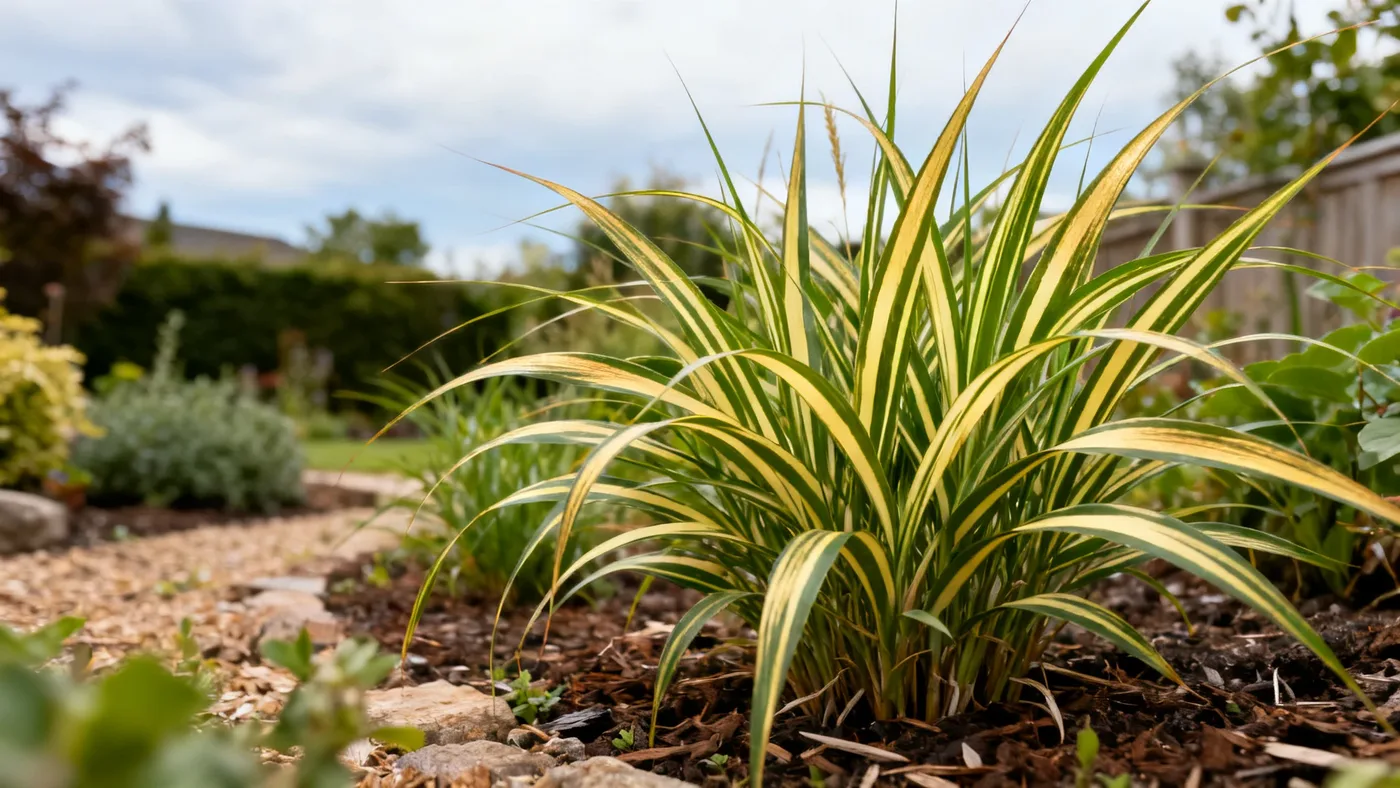
The Complete Dwarf Zebra Grass Care Guide for Every Season
Dwarf Zebra Grass (Miscanthus sinensis 'Little Zebra') is a compact ornamental grass that brings reliable structure and visual interest to any garden, no matter where you live. Hardy in USDA zones 4-9, this cultivar thrives with straightforward care once established. Whether you're planting your first dwarf zebra grass or refreshing your borders with new color and texture, this guide covers every season and common care question.
Key Takeaways
- Dwarf zebra grass reaches 3-4 feet in foliage height, 4-5 feet with plumes by year 2-3
- Plant in spring after last frost in full sun (6+ hours) for best color and vigor
- Space plants 24-36 inches apart; drought-tolerant once established but prefers medium moisture
- Prune to 4-6 inches above ground in late winter before new growth emerges
- Divide every 3-5 years in early spring to maintain plant vigor and size
Table of Contents
- Planting Dwarf Zebra Grass: Site and Timing
- Sun, Soil, and Spacing Requirements
- Watering and Fertilizing
- Spring and Early Summer Care
- Late Summer and Fall: Blooming and Changing Colors
- Winter Interest and Late-Winter Pruning
- Managing Pests, Diseases, and Common Problems
- Dividing, Propagating, and Companion Planting
- Container Growing and Special Situations
Planting Dwarf Zebra Grass: Site and Timing
Timing your planting is one of the most important decisions you'll make for dwarf zebra grass care. Spring planting after your last frost is ideal, giving the plant the entire growing season to establish roots before winter dormancy. Early fall planting is also workable in milder zones (7-9), though spring is preferred because it allows more time for root development.
Dwarf zebra grass grows at a moderate rate. Expect your plant to reach its full mature size, 3-4 feet in foliage height and 2-3 feet wide, in about 2-3 growing seasons. Most plants begin blooming in their first or second year, though the plume display will be fuller as the plant matures.
When preparing the planting hole, dig no deeper than the root ball and keep the crown (the point where shoots emerge from the roots) at soil level. Planting too deep is the most common mistake; it traps moisture and can rot the crown. Space plants 24-36 inches apart if you're creating a mass planting or border, or 36 inches if you want to let mature clumps fully showcase their architecture.
Sun, Soil, and Spacing Requirements
How to care for dwarf zebra grass starts with understanding what it needs from its surroundings. This plant thrives in full sun, meaning 6 or more hours of direct sunlight daily. In full sun, the horizontal creamy-yellow bands on the foliage are most vivid, and flowering is most abundant.
Dwarf zebra grass tolerates light or part shade, but growth becomes looser and more open, and the distinctive banding and flowering are significantly reduced. If your only option is shade, expect a less compact plant and less visual impact from the variegation.
Soil adaptability is one of this cultivar's strengths. It grows well in clay, sandy, or loamy soils and tolerates a pH range from roughly 5.5 to 7.5. What matters most is drainage. The plant prefers moist, well-drained soil and does not tolerate standing water. In heavy clay or poorly drained areas, amend with coarse sand or compost to improve texture. Container-grown plants especially need well-draining mix to prevent root rot.
Once established (typically by year 2), little zebra miscanthus care is simplified by its drought tolerance. Established plants can weather dry spells, though they perform best with average moisture. New plantings, however, need consistent watering for the first season to support root establishment.
Watering and Fertilizing
During the first growing season after planting, keep soil evenly moist (not soggy) until the plant is clearly established. This typically means watering deeply once or twice weekly, depending on rainfall and temperature. Mulch around the base with 2-3 inches of shredded bark or wood chips to conserve moisture and suppress weeds, keeping mulch a few inches away from the crown.
By year two and beyond, once the root system is established, zebra grass maintenance is minimal. Water during drought if the top inch of soil is dry and stays dry for more than a week. Most established plants thrive on rainfall alone in temperate climates.
Dwarf zebra grass is a light feeder. Overfertilizing encourages soft, floppy growth and reduces winter hardiness. A balanced, moderate application of fertilizer in spring is optional and may be skipped entirely if your soil has decent organic matter. If you choose to fertilize, apply a slow-release, balanced product (such as 10-10-10 or equivalent) once in early spring. Avoid high-nitrogen fertilizers, which promote leaf growth at the expense of structural strength.
Spring and Early Summer Care
Spring awakening for dwarf zebra grass is unlike other perennials. The plant is notoriously slow to emerge. It often looks completely dead well into mid-spring, long after other plants have leafed out. Resist the urge to dig it up or remove it; this is normal. New shoots typically appear when soil temperatures warm above 60 degrees Fahrenheit, usually by late spring depending on your zone.
Once new growth begins to unfold, watch for the distinctive arching blades and the horizontal gold banding that gives the plant its common name. Remove any winter mulch that may be smothering new shoots. As new foliage expands, the plant grows rapidly through late spring and early summer, filling out its mature form over the course of several weeks.
Early summer is a good time to stake or support plants if they're in a windy location, though dwarf zebra grass is more compact and sturdy than its full-sized relative (standard zebra grass, which grows 5-7 feet tall). The compact height helps prevent flopping, though shade, overly rich soil, or crowding can still cause some spreading.
Late Summer and Fall: Blooming and Changing Colors
Dwarf zebra grass blooms in late summer into fall, typically from August through October (timing varies by region and zone). Flowering occurs as days shorten and temperatures cool. The plumes emerge from the tops of the arching foliage, starting as coppery-pink to reddish color and gradually maturing to silvery-tan and white as the seeds ripen.
As fall progresses, the green foliage shifts to tan, gold, and bronze tones, creating a stunning two-toned effect when combined with the mature plumes. This fall color and winter interest are major reasons gardeners choose this plant; it remains ornamental and attractive through the growing season and deep into winter.
Deer resistance is good to high, so you rarely need to worry about browse damage. Wind-pollinated rather than insect-pollinated, the plant's seed heads provide some food for birds and the clump offers winter cover for small wildlife.
Winter Interest and Late-Winter Pruning
Leave dwarf zebra grass standing through fall and winter for maximum visual interest. The dried tan foliage and silvery plumes persist and look attractive well into winter, creating structure in the winter garden and catching snow or frost beautifully. The dried foliage also provides protection to the crown.
Pruning is the single most important maintenance task for this plant. In late winter or very early spring, before new growth emerges (typically February-March in most zones), cut all foliage back to 4-6 inches above the ground. A sharp hedge shear, chainsaw, or string trimmer works well. Cut at a slight angle to encourage water to run off.
The timing of this cut is critical. Too early (mid-winter), and you lose the winter interest; too late (after new growth appears), and you risk damaging emerging shoots. The goal is to prune after the worst of winter weather but before active spring growth has begun. In zone 9, this might be January; in zone 4, it may not be until late March.
Managing Pests, Diseases, and Common Problems
Pests
Dwarf zebra grass occasionally attracts aphids, mealybugs, and spider mites, particularly in hot, dry conditions or on overcrowded plants. Inspect foliage regularly, especially new growth in spring. Small infestations respond well to strong water spray from a hose or insecticidal soap. Spider mites are usually minor and rarely require intervention beyond improving air circulation.
Diseases
Rust and leaf blight (fungal leaf spot) can appear in humid conditions or when air circulation is poor. Overcrowding, excessive shade, and overhead watering increase disease risk. Space plants adequately (24-36 inches apart), avoid wetting foliage when watering, and ensure good air flow. In established plantings, these issues are usually minor. Removing affected leaves by hand or pruning for better air circulation typically resolves the problem without fungicide use.
Common Care Problems
Flopping or lodging (splaying outward) occurs when the plant is grown in too much shade or in soil that is overly rich and soft. If your dwarf zebra grass spreads excessively, it's signaling that it wants more sun or less fertility. Move it to a sunnier spot if possible, or reduce fertilizer applications.
Slow spring emergence, mentioned earlier, is not a problem; it's normal. The plant takes its time waking up and often appears dead. Wait until well into spring before assuming it hasn't survived the winter.
Some self-seeding is possible depending on your region and specific cultivar fertility. If volunteer seedlings appear, pull them when young. True variegated color is unreliable from seed anyway, so propagate this plant by division, not from seed.
Dividing, Propagating, and Companion Planting
Division and Propagation
Division is the best way to propagate dwarf zebra grass and maintain plant vigor. Divide established clumps every 3-5 years in early spring, just as new growth begins to emerge. Dig the entire clump and, with a sharp spade or saw, cut it into 2-4 sections, each with several shoots attached. Replant divisions at the same depth as the original plant, 24-36 inches apart, and water well.
New divisions typically establish within one season and can be divided again within 3-5 years. This regular division keeps plants vigorous and prevents decline that can occur in very old, neglected clumps. Seed propagation is unreliable for this cultivar because variegation does not come true from seed, so stick with division.
Companion Planting
Dwarf zebra grass pairs beautifully with perennials that have similar cultural needs and offer complementary color and texture. Good companions include Sedum (for groundcover and succulent texture), Rudbeckia or black-eyed Susan (for yellow summer flowers), Echinacea or coneflower (for pink or purple blooms), Russian sage (Perovskia) for airy blue-purple flowers, and other ornamental sedges such as Carex. These plants all thrive in full sun, tolerate well-drained soil, and bloom when dwarf zebra grass is in growth or establishing flowers.
Avoid planting dwarf zebra grass directly against shade-casting trees or buildings. Its compact size (2-3 feet wide) makes it ideal for borders and small-scale mass plantings, where the consistent form and seasonal color create a reliable backbone for the garden.
Container Growing and Special Situations
Dwarf zebra grass is well suited to large container planting, which is one of its advantages over standard-size zebra grass. Its compact size and moderate growth rate make it ideal for 3-5 gallon pots or larger landscape containers. Use a high-quality, well-draining potting mix, not garden soil, which compacts and holds too much water in containers.
Container plants dry out faster than in-ground plants. Water when the top inch of potting mix is dry. In hot summer climates, daily watering may be necessary. Containers also require more frequent feeding; apply a balanced slow-release fertilizer in spring, or apply liquid fertilizer monthly during the growing season at half strength.
In winter, container plants are more exposed to cold than in-ground plants. In zones 4-6, move containers to a sheltered location or wrap them with burlap to protect roots. Alternatively, treat them as annuals and replant each spring with new divisions or young nursery-grown plants.
Rock gardens and small-scale erosion control on gentle slopes are other good uses for dwarf zebra grass. Its strong root system helps stabilize soil, and its airy form fits well in rocky settings alongside low perennials and sedums.
Year-Round Care at a Glance
| Season | Task | Notes |
|---|---|---|
| Early Spring | Prune to 4-6 in; fertilize (optional) | Before new growth emerges |
| Mid-Spring | Water newly planted divisions or first-year plants | Keep soil moist; watch for late emergence |
| Late Spring | Remove winter mulch; support if needed | New growth expands rapidly |
| Summer | Water during drought; watch for pests | Established plants need water only in dry spells |
| Late Summer-Fall | Enjoy blooms; foliage color change begins | Plumes Aug-Oct; tan/gold color through fall |
| Winter | Leave standing; no water or care needed | Strong winter interest; protects crown |
| Every 3-5 Years | Divide in early spring | Maintains vigor; creates new plants |
Checklist: Essential Dwarf Zebra Grass Care
- Select a site with full sun (6+ hours daily) for best color and blooming
- Space plants 24-36 inches apart
- Plant in spring after last frost or early fall in mild zones
- Ensure well-drained soil; amend heavy clay if necessary
- Water deeply and consistently the first season; drought-tolerant after year 2
- Avoid overfertilizing; apply balanced fertilizer in spring only if needed
- Prune to 4-6 inches above ground in late winter before new growth
- Monitor for aphids, mealybugs, and spider mites; improve air flow to prevent fungal diseases
- Leave standing through winter for ornamental value
- Divide every 3-5 years in early spring to maintain vigor