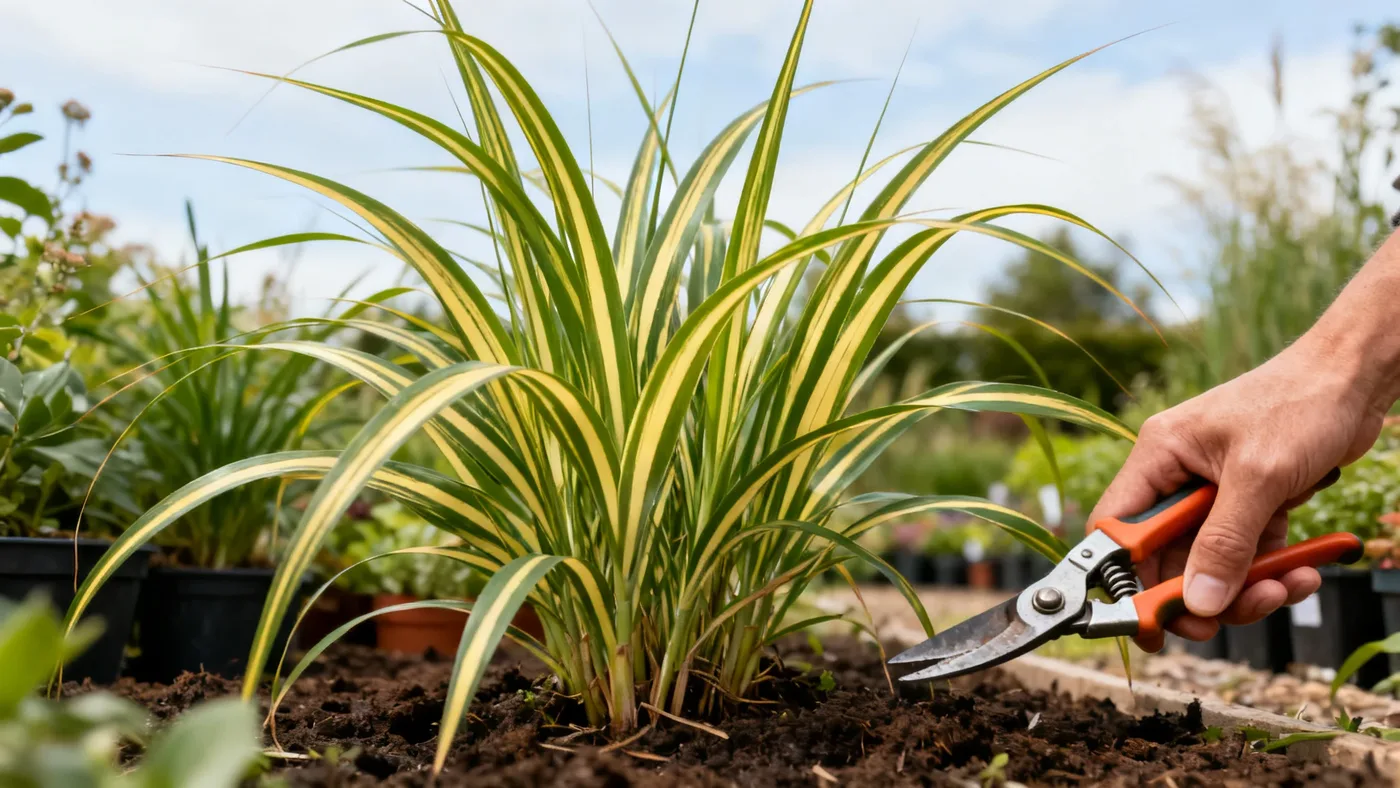
When and How to Cut Back Dwarf Zebra Grass Each Year
Pruning is one of the simplest yet most important tasks you'll do for your Dwarf Zebra Grass. Unlike many ornamental grasses that you might be tempted to fuss over, this plant thrives on a single, decisive annual cut. Done at the right time with the right tools, pruning takes less than an hour and sets your grass up for vigorous spring growth, cleaner foliage, and a stronger clump structure year after year.
Why Cut Back Dwarf Zebra Grass?
Dwarf Zebra Grass grows as a warm-season perennial clump, meaning it puts on its best show from late spring through fall. By late winter, all of that previous year's foliage has turned tan, gold, and bronze, and the seed plumes have matured to silvery tones. While this dried growth looks attractive through winter and provides shelter for overwintering insects and small wildlife, it eventually becomes matted and shades out new shoots in spring.
Cutting all foliage back to 4 to 6 inches above the ground accomplishes several things: it removes the dead material, reduces disease pressure by eliminating old leaf tissue where fungi can hide, opens up the clump's center for new shoots to emerge, and makes it easier to see and work around the plant in spring. The grass responds with fresh, vibrant growth that showcases those distinctive horizontal creamy-yellow bands that give the plant its "zebra" name.
When to Cut Back Dwarf Zebra Grass
Timing is critical. You want to cut back your Dwarf Zebra Grass in late winter to very early spring, before new growth emerges. In most of the U.S., this falls between late February and early April, depending on where you live.
The safest window is about 2 to 3 weeks before you typically see new growth breaking from the base of the clump. If you live in zones 4 to 6, this is usually mid to late March. In zones 7 to 9, you can often cut back in February. The key marker is simple: wait until you see the very first tips of new green growth appearing at the base. Once you spot that, cut within days. Do not wait until new growth is several inches tall; cutting into actively growing foliage causes damage and weakens the plant.
For more detailed seasonal care information, refer to our complete Dwarf Zebra Grass care guide for every season, which covers this plant's needs throughout the year.
Materials and Tools You'll Need
- Hedge shears, hand pruners, or a gas-powered string trimmer (hedge shears work best for most home gardeners)
- Heavy-duty work gloves (the foliage edges are sharp)
- Safety glasses or eye protection
- A rake to gather and clear cut material
- A sturdy yard bag or two for collecting trimmings
- Optionally, heavy-duty rope or twine to bundle the clump before cutting (helpful for very full plants)
Many gardeners bundle the dried foliage with rope before cutting to keep it contained and make cleanup easier. This step is optional but saves time and mess if your grass is dense and spreading.
Step-by-Step Pruning Instructions
- Choose a calm, dry morning. Working early in the day makes the job easier, and dried foliage is easier to handle than wet, limp stems. Wind will scatter cut material everywhere, so wait for a calm day if possible.
- Put on heavy-duty gloves and safety glasses. The leaf edges are sharp and can cut bare skin. Safety glasses protect your eyes from flying debris when using power tools.
- Optionally bundle the foliage with rope. If your grass is very full or you want to contain the mess, wrap heavy-duty twine loosely around the clump about halfway down. This keeps cut stems from scattering. You do not need to pull the rope tight; just snug enough to hold the foliage together.
- Make your first cut at the perimeter. Using hedge shears or hand pruners, begin cutting at the outer edge of the clump. Work your way around the plant, cutting all foliage to a height of 4 to 6 inches above the soil. This is the critical measurement. Do not cut lower than 4 inches or higher than 6 inches. The basal area below this line contains the growing crown and should remain intact.
- Work from the outside in. Once you have cut the outer edges, move toward the center. Dwarf Zebra Grass grows in a clump that is roughly 2 to 3 feet wide, so the center may take a few minutes to reach. Keep your cutting height consistent.
- Use a powered string trimmer for speed, if desired. Many gardeners find that a gas-powered or electric string trimmer makes quick work of the job, especially on larger plants. Set the cutting head to remove foliage while leaving 4 to 6 inches of stem. This method is faster than hand shears but requires practice to avoid cutting into the crown.
- Rake away all cut material. Once cutting is complete, rake out all the dried foliage, dead stems, and debris from inside and around the clump. This opens up the center and removes places where fungal spores can hide. Do not leave cut material sitting on the crown or tucked inside the clump.
- Dispose of the trimmings. Bag or compost the dried foliage. If your municipal compost accepts dried ornamental grass, this is a good use for it. Otherwise, yard waste collection or home compost piles work well.
- Step back and inspect. Once the area is cleaned, the clump should look like a tidy mound of 4 to 6 inch stubs. You should be able to see the crown clearly and spot any dead wood or disease. If you notice any diseased foliage (dark spots, rust, or unusual discoloration), remove it entirely.
Tips and Common Mistakes to Avoid
Do not cut too early in winter. If you prune in fall or early winter, new shoots may be triggered to emerge before the true last frost in spring, and frost will kill those tender tips. Always wait until late winter or early spring when you see growth starting to break.
Do not cut too low. The growing crown sits right at the soil surface or just below. Cutting lower than 4 inches risks damaging the crown and slowing or stopping spring growth. When in doubt, cut higher. A 6-inch stubble is more forgiving than cutting at soil level.
Do not try to tidy the plant in fall. Resist the urge to clean up or deadhead seed plumes in autumn. Leave the dried foliage standing through winter. It looks attractive, protects the crown from freeze-thaw cycles, and provides habitat for beneficial insects. Your single pruning session in late winter is all this plant needs.
Wear gloves and protection. The leaf edges are sharp enough to draw blood. Even experienced gardeners underestimate this. Heavy-duty work gloves are not a luxury; they are essential.
Use clean tools. If you prune multiple plants or move between sites, wipe your shears with a clean cloth between cuts to avoid spreading disease. A cloth dampened with a mild bleach solution works well.
What to Expect After Pruning
Immediately after cutting, your clump will look nearly bare. This is normal. Do not panic. The plant may appear to be dormant or even dead for several weeks. This is a common characteristic of warm-season grasses: they are slow to break dormancy in spring and may appear dark, brown, or lifeless longer than cool-season perennials or other plants in your garden.
Within 3 to 4 weeks of pruning, green shoots will begin to emerge from the base. By mid to late spring, depending on your zone, the foliage will fill in rapidly. By early summer, your clump should be full and lush, with the characteristic banded foliage clearly visible. The plant may reach 3 to 4 feet tall in foliage by midsummer, and 4 to 5 feet tall including flower plumes once it blooms in late summer into fall.
New growth will be more vigorous and the foliage will be cleaner and more attractive than if you had left the old growth standing. The banding pattern will be crisp and bright. Blooming should occur on schedule in August through October, depending on your region. The clump benefits from this single annual pruning throughout its lifespan, which commonly exceeds 10 years with proper care.
To learn more about ideal growing conditions for this grass, including climate zones and light requirements, see our guide on growing zones for Dwarf Zebra Grass.
Quick Reference Pruning Checklist
| Task | Timing | Height to Cut | Zone 4-6 | Zone 7-9 |
|---|---|---|---|---|
| Observe winter foliage | Fall through January | Leave standing | Leave standing | Leave standing |
| Watch for green shoots | Late February onward | Monitor only | Early February onward | Early February onward |
| Cut back foliage | Late winter to early spring | 4 to 6 inches above soil | Mid to late March | February to early March |
| Rake and clear debris | Immediately after cutting | Remove all dead material | Same day | Same day |
| Expect green growth to emerge | 3 to 4 weeks after pruning | New shoots will appear | April | March to April |
| Full foliage development | Early to midsummer | 3 to 4 feet tall | June to July | May to June |
| Flowering period | Late summer into fall | 4 to 5 feet with plumes | August to October | August to October |