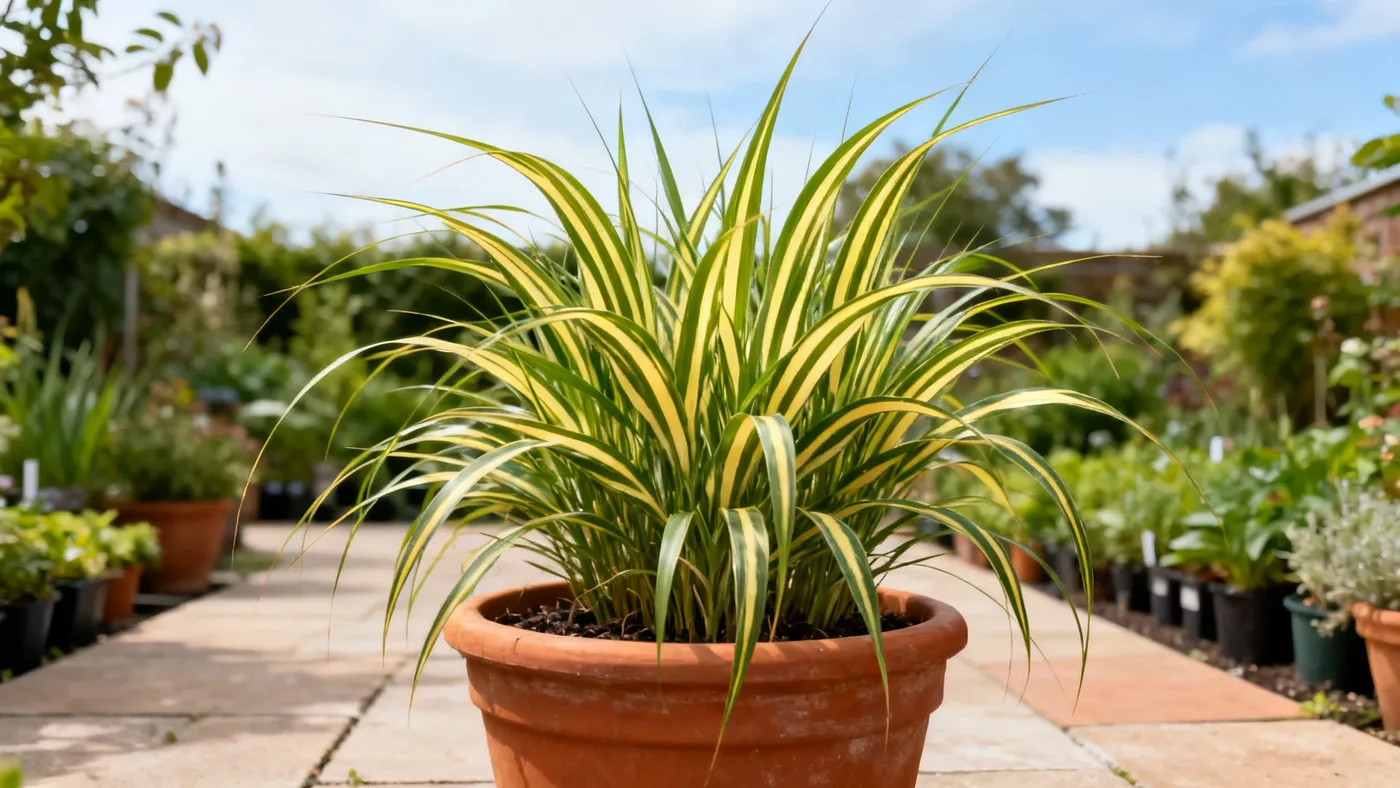
Dwarf Zebra Grass Buying Guide: Pot Sizes and What to Look For
Buying a healthy dwarf zebra grass plant is the first step to success in your garden. Whether you are starting a border accent, a mass planting, or growing in a large container, you want to begin with vigorous nursery stock that will establish quickly and deliver the bold foliage and fall color you are after.
This guide walks you through container sizes, quality signals, and honest red flags so you know exactly what to look for when you buy dwarf zebra grass.
Why Dwarf Zebra Grass Is Worth the Investment
Dwarf zebra grass offers landscape value that justifies the upfront cost. Unlike many ornamental grasses that sprawl or require staking, this cultivar reaches a manageable 3 to 4 feet tall and 2 to 3 feet wide, fitting neatly into mid-border roles and small urban gardens without overwhelming the space.
The horizontal gold bands are a year-round draw. Coppery-pink plumes emerge in late summer and age to silvery-tan through fall and winter, meaning this single plant delivers three distinct seasonal looks. It is hardy in USDA zones 4 through 9, deer resistant, and drought tolerant once established. A healthy plant will typically bloom in its first or second year and persist for well over 10 years with minimal intervention.
Buying a well-formed specimen now means you skip a year or more of waiting for a smaller plant to fill out. That is a real advantage if you want immediate visual impact.
Understanding Container Sizes for Dwarf Zebra Grass
When you shop for dwarf zebra grass for sale, you will encounter three standard commercial pot sizes. Each has trade-offs in price, immediate presence, and growth timeline.
Quart Containers
A quart (or 1-quart) pot is the smallest option. The plant is usually 6 to 12 inches tall and still has a narrow, linear root mass. Quart pots cost the least and are easy to ship or transport. If you are planting large numbers for a mass design, the math is attractive.
The downside: a quart plant takes a full growing season to visibly fill out. Expect slower color production and a less dramatic first-year presence. Quart stock is ideal if your timeline is flexible and your budget is tight.
#1 Containers
A #1 pot (roughly 1.5 to 2 gallons) holds a noticeably fuller plant. Most #1 specimens are 12 to 18 inches tall and have begun to show the multi-shoot structure that will become a dense clump. The root system is established enough to handle planting and seasonal stress with less coddling.
This is the sweet spot for most home gardeners who buy dwarf zebra grass. You get a landscape-ready plant at a mid-range price. Expect the plant to reach mature size (3 to 4 feet tall) within 2 to 3 growing seasons, which is the natural growth rate for this cultivar.
#3 Containers
A #3 pot (roughly 3 gallons) is the largest retail option. These specimens are often 18 to 24 inches tall and frankly impressive: full clumps with visible branching and sometimes plumes already forming. You are buying an instant dwarf zebra grass that needs only a good planting hole and water.
The #3 dwarf zebra grass container size is the highest-priced option, but if you want an immediate focal point or are filling a large landscape in a single season, the cost per visual impact may justify it. Shipping is heavier, and local pickup is more practical.
What to Look For: Quality Indicators
Regardless of pot size, inspect the plant itself. A few signs separate healthy nursery stock from compromised plants that will struggle to establish.
Foliage Banding and Color
The horizontal gold bands should be crisp and evenly distributed across the blade surfaces. They are most vibrant on plants grown in full sun (6 or more hours daily). If bands are faint or absent, the plant was likely grown in partial shade, and vigor may be compromised.
Leaf color should be a clear, bright green. Brown tips, yellowing, or rust-colored spots signal stress, disease, or poor watering. Leaf blight and rust can occur in overly humid or crowded conditions, so any visible spotting is a red flag.
Growth Form and Branching
The clump should be compact and symmetrical. Shoots should radiate outward evenly; if the plant is thin on one side or visibly lopsided, it may have been in transit, stressed, or poorly rotated in the nursery. A well-formed plant will tiller (branch) vigorously once planted.
Avoid plants that look sparse or have very few shoots visible at the base. Density at planting correlates directly with mature clump size.
Root Health
Gently lift the pot and peek at the base drain holes. Roots should be white or tan and visible at the drainage ports. A mass of brown, mushy roots or a foul smell indicates root rot, usually from overwatering at the nursery. Do not buy that plant.
If the pot feels bone-dry and the plant is root-bound (roots wrapping tightly around the soil mass), that is workable but signals the plant has been without water for a while. Rehydrate immediately after purchase and monitor closely for the first week.
No Recent Pest Damage
Look for webbing, distorted new growth, sticky residue, or small insects on leaf undersides. Mealybugs, spider mites, and aphids can infest miscanthus. A light infestation is often treatable, but heavy pest pressure combined with stress is a real problem. When in doubt, buy the next plant over.
Key Features to Compare
When you shop dwarf zebra grass for sale at multiple nurseries, use these criteria to compare specimens side by side.
Plant Height and Maturity
Measure or estimate the height. In the same container size, taller is not always better (a leggy plant may indicate poor growing conditions), but a plant with compact, visible branching is preferable to a single tall shoot. At maturity, this cultivar reaches 3 to 4 feet tall, so height at purchase is simply one indicator of growth stage.
Foliage Density
Part the top of the clump gently. How many shoots emerge from the base? A dense clump with 8 to 12 visible shoots in a #1 pot is excellent. Fewer shoots (3 to 5) in the same pot size means you are waiting longer for fullness.
Presence of Plumes
If you find little zebra miscanthus for sale in late summer or fall with visible plumes, you can see the exact flower color and form. This is valuable for making sure the tone suits your design. Plumes begin as upright, then open and arch slightly. Early-season plumes are a sign of healthy vigor; if a #1 specimen already flowers in midsummer, that is actually a good sign.
Pot Condition
Avoid plants in cracked, degraded, or visibly depleted pots. A compromised pot often means water runs straight through or dries out too quickly, stressing the roots. Clean, intact containers indicate proper care at the nursery.
Red Flags to Avoid
These signs should make you walk away or negotiate a steep discount.
- Brown or mushy roots at drain holes. Root rot is difficult to recover from, especially after transplanting.
- Visible algae or moss covering the soil surface. This often signals chronically wet conditions and weak root health.
- Severely yellowed or brown foliage, or foliage that falls apart when touched. The plant is dying or dead.
- Foul smell from the soil. Anaerobic root decay produces a distinct odor and is a dealbreaker.
- Visible large pest colonies. Scale, mealybugs, or spider mites in high numbers will hitchhike to your garden and spread to nearby plants.
- Obvious signs of frost or heat damage. Blackened, papery, or water-soaked foliage indicates the plant was exposed to stress (freezing temperatures or extreme heat) and may not recover.
- Leaning or wobbly in the pot. Loose soil and a tilted plant suggest poor root establishment and recent disturbance.
- Dry, shriveled, paper-thin stems. The plant has been without water too long and has lost vigor.
Where to Buy Dwarf Zebra Grass
Multiple channels offer dwarf zebra grass container size options. Each has strengths.
Local Specialty Nurseries
A regional grower or perennial nursery is your best bet. Staff can answer questions about their growing practices, sunlight at their propagation house, and hardiness in your specific zone. You see and touch the plant before buying. No shipping damage. Many will guarantee the plant for 30 days or offer a replacement if it declines.
Garden Centers and Big-Box Retailers
Most carry ornamental grasses in spring and early summer. Inventory is seasonal and can be hit-or-miss. Staff knowledge varies. Look for the plant later in the season (late summer) when clearance pricing kicks in; quality is often still strong, and a #1 or #3 at 20 to 40 percent off is a good deal.
Online Nurseries
Mail-order specialists in perennials and grasses offer quart and #1 pots, and sometimes #3 specimens. Shipping cost is substantial for a heavy pot, but selection is wider. Read reviews about packing and delivery condition. A reputable online seller will replace any plant that arrives dead or severely damaged.
Specialty Grass Growers
A few mail-order nurseries focus entirely on ornamental grasses, including dwarf miscanthus. These operations often grow their own stock and have deep knowledge. Prices may be slightly higher, but plant health is usually exceptional.
Timing Your Purchase
Spring (after your last frost date) is ideal. Nurseries stock fresh, vigorous plants. You have the full growing season ahead for establishment. Early summer is also good, though plants may be slightly more stressed from heat.
Fall planting is workable in milder zones (8 and 9), but spring gives the plant more time to settle roots before winter. Avoid buying bare-root or dormant stock in winter unless you can keep it in a greenhouse or unheated shelter until spring.
Bringing Your Plant Home
Water the pot thoroughly before leaving the nursery. If you drive more than 30 minutes, lay the pot on its side in a shaded area of your vehicle to reduce wind damage to foliage. Do not leave it in a hot trunk.
Plant within a day or two. If planting is delayed, water the pot every other day and keep it in dappled shade to reduce transplant shock. For detailed planting steps and long-term care, refer to the complete dwarf zebra grass care guide for every season.
Quick Reference: Buying Checklist
| Aspect | Look For (Good) | Avoid (Red Flag) |
|---|---|---|
| Foliage Banding | Crisp, even gold bands on green blades | Faint bands, yellowing, rust or brown spots |
| Growth Form | Compact, symmetric, multiple shoots from base | Sparse, leggy, single stem, visibly lopsided |
| Roots | White or tan roots at drain holes; moist soil | Brown mushy roots; foul smell; bone-dry soil |
| Pests/Disease | No visible insects, webbing, or lesions | Webbing, sticky residue, insect colonies, spots |
| Overall Vigor | Plant feels firm when handled; no wilting | Papery stems, wilting, blackened foliage |
| Container | Intact, clean pot; proper drainage holes | Cracked, degraded, or clogged drainage |
| Plant Age/Size | Appropriate density for the pot size you want | Severely pot-bound or root-bound plant |