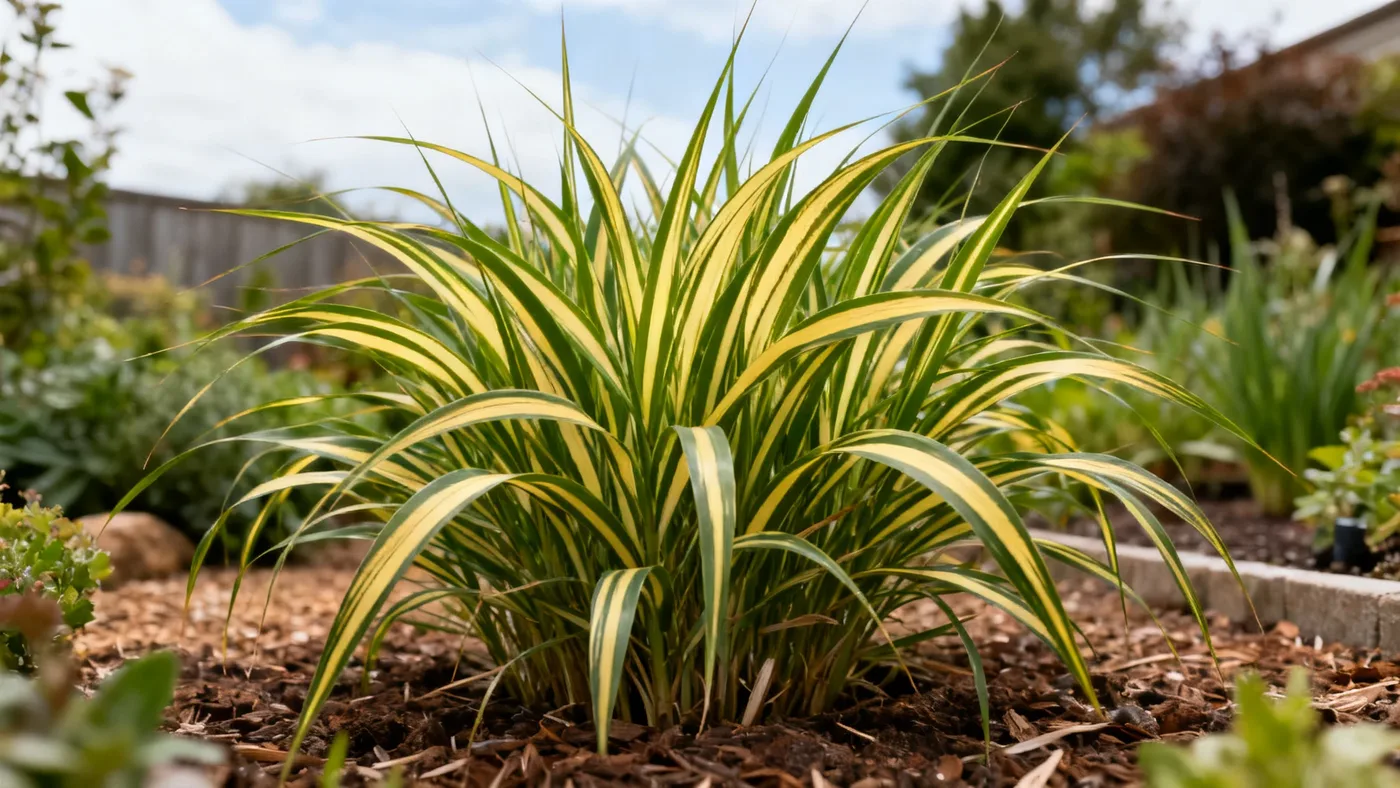
What Growing Zones Are Best for Dwarf Zebra Grass?
If you're wondering whether Dwarf Zebra Grass will survive in your climate, the answer depends on your USDA hardiness zone. This ornamental grass thrives across a wide range, making it one of the most adaptable grasses for home gardens. Below are the most common questions gardeners ask about zones and how to grow Dwarf Zebra Grass where you live.
Understanding Zone Hardiness for Dwarf Zebra Grass
What hardiness zones are suitable for Dwarf Zebra Grass?
Dwarf Zebra Grass is hardy in USDA zones 4 through 9. This means the plant can survive winter temperatures down to minus 30 degrees Fahrenheit in zone 4 and heat up to 90+ degrees in zone 9. No matter which of these zones you garden in, you can grow this attractive, compact grass reliably year after year.
Can I grow Dwarf Zebra Grass in Zone 4?
Yes, Zone 4 gardeners can absolutely grow Dwarf Zebra Grass, and it will overwinter reliably. The key is to wait until after the last spring frost to plant and to cut the foliage back to 4 to 6 inches above the ground in late winter before new growth appears. This simple dormancy approach protects the crown through even the coldest nights.
Is Dwarf Zebra Grass hardy in Zone 9?
Dwarf Zebra Grass is fully hardy in Zone 9. The plant can handle the heat and humidity of warmer climates, though you may need to provide afternoon shade if temperatures consistently exceed 95 degrees Fahrenheit. In zone 9, you also have the luxury of fall or early spring planting, giving you more flexibility than gardeners in northern zones.
What does zone hardiness actually mean for ornamental grasses?
Hardiness refers to a plant's ability to survive winter cold in its dormant state. For Dwarf Zebra Grass, hardiness means the crown (the base where new shoots emerge) won't be killed by winter freeze. The foliage dies back seasonally, which is normal, but the plant returns from the roots each spring.
Growing Dwarf Zebra Grass in Cold Climates (Zones 4-5)
How do I protect Dwarf Zebra Grass during harsh winters?
The best protection is to leave the dried foliage standing through winter. Do not cut it back until late winter or very early spring, just before new growth emerges. The standing dead stems provide insulation for the crown underneath and look attractive in the winter landscape. No mulch pile or wrap is necessary.
When should I plant Dwarf Zebra Grass in northern zones?
Spring after the last frost is the ideal planting time in zones 4 and 5. This gives the plant the entire growing season to establish roots before winter arrives. Early fall planting is risky in these zones because the plant may not have enough time to harden off before cold weather hits.
Will Zone 4 and 5 Dwarf Zebra Grass survive a particularly cold winter?
Yes, Dwarf Zebra Grass has survived temperatures as low as minus 30 degrees Fahrenheit in zone 4. The standing foliage insulates the crown, and the grass's genetic hardiness keeps it alive. Even in rare years with extreme cold snaps, the plant typically regenerates from the root in spring.
Growing Dwarf Zebra Grass in Temperate Zones (Zones 6-7)
Are Zones 6 and 7 ideal for Dwarf Zebra Grass?
Zones 6 and 7 are excellent for growing Dwarf Zebra Grass. The winters are cold enough to trigger dormancy but not so severe that hardiness is a concern. This is often considered the sweet spot for this plant, and it grows vigorously in these zones with minimal special care.
When should I cut back Dwarf Zebra Grass in temperate zones?
In zones 6 and 7, cut the foliage back to 4 to 6 inches above the ground in late winter or very early spring, just before you see new shoots emerge. Timing depends on your local climate, so when winter starts loosening its grip and you sense spring is coming, it's usually safe to prune.
Can I leave the dried foliage standing through winter for ornamental value?
Absolutely. Many gardeners leave Dwarf Zebra Grass standing all winter because it looks striking when covered with frost or snow, and the dried plumes catch sunlight beautifully. Just cut it back before new growth emerges in spring, typically in late February or early March depending on where you live.
Growing Dwarf Zebra Grass in Warm Zones (Zones 8-9)
Does Dwarf Zebra Grass thrive in Zone 8?
Yes, Dwarf Zebra Grass grows well in zone 8. The main adjustment is watering during hot, dry summers. The plant is drought tolerant once established, but regular water during the growing season produces fuller, more vigorous clumps. Afternoon shade is optional but helpful if your area experiences extreme summer heat.
Is Zone 9 too warm for Dwarf Zebra Grass?
Zone 9 is within the plant's hardiness range, so it will survive winters. However, extreme heat can stress the grass if it lacks water. Provide afternoon shade if your zone 9 garden regularly reaches 95 degrees Fahrenheit or higher, and mulch around the base to keep roots cool and moist during peak summer.
What should I do differently when growing this grass in the Deep South?
In zones 8 and 9, your main job is managing heat and moisture. Plant in spring or early fall to avoid planting during the hottest months. Ensure the soil drains well to prevent root rot in humid conditions, and keep the plant in full sun (6 or more hours daily) to maintain the distinctive yellow-and-green banding on the foliage.
Planting Season and Timing
What is the best time to plant Dwarf Zebra Grass?
Spring after the last frost is the best time across all zones 4 through 9. Planting in spring gives the grass a full growing season to establish before winter. The plant reaches its mature size (3 to 4 feet tall and 2 to 3 feet wide) in about 2 to 3 growing seasons, so an early spring start helps.
Can I plant Dwarf Zebra Grass in fall instead of spring?
Fall planting works in milder zones (7 through 9) if you plant early enough in the season. In zones 4 through 6, fall planting is risky because the plant may not establish strong roots before winter freeze. If you do plant in fall in a warm zone, water regularly until the ground freezes.
How long does Dwarf Zebra Grass take to become fully established?
The plant reaches its mature clump size in 2 to 3 growing seasons. It often produces coppery-pink flower plumes even in its first or second year, but the full visual impact of the striped foliage and bushy form develops over the first 3 years. Patience is rewarded with a long-lived perennial that easily lasts over 10 years.
Microclimate and Growing Conditions
Does sun exposure matter more in hot zones?
Full sun (6 or more hours daily) is important in all zones to maintain the vibrant horizontal yellow-and-green banding on the foliage. In zones 8 and 9, afternoon shade helps cool the plant during peak heat while still providing enough light to keep the stripes clear and bright. In cooler zones, full sun produces the tightest, most compact growth.
How does soil drainage affect Dwarf Zebra Grass hardiness across zones?
Well-drained soil is crucial in all zones. Poor drainage can rot the crown during wet winters or humid summers, compromising hardiness even in zones where the plant is rated hardy. Amend heavy clay with compost or sand to improve drainage, especially in zones 8 and 9 where humidity is high.
Can I grow Dwarf Zebra Grass in a container in cold zones?
Yes, this grass is well suited to large containers in zones 4 through 9. Container-grown plants are more vulnerable to cold because roots can freeze in exposed soil. In zones 4 through 6, move containers to an unheated garage or shelter them against a south-facing wall for winter. In zones 7 through 9, containers can often stay outdoors year-round.
Does Dwarf Zebra Grass prefer moist or dry soil?
The plant prefers average to medium moisture and is adaptable to most soils including clay. Once established, it is drought tolerant and does not like standing water. This makes it reliable across zones 4 through 9, even in areas with variable rainfall, as long as the soil drains.
Special Concerns by Region
Is Dwarf Zebra Grass invasive in my zone?
The parent species, Miscanthus sinensis, is listed as invasive or a species of concern in parts of the eastern and southeastern U.S. due to self-seeding. However, seed viability varies by cultivar and region. Check your state or local extension service before planting to confirm that Dwarf Zebra Grass is appropriate for your area. Many regions have no invasive restrictions on this cultivar.
Does Dwarf Zebra Grass need winter mulch in my zone?
In zones 4 through 6, skip the mulch pile around the base. The standing foliage provides natural insulation. Adding mulch can trap moisture and rot the crown. In zones 7 through 9, a light mulch of 1 to 2 inches around (but not touching) the stems can help retain summer moisture, though it is not essential for hardiness.
How do I know if my Dwarf Zebra Grass survived the winter?
Wait until you see new shoots emerging from the base in spring before concluding the plant died. Dwarf Zebra Grass is slow to wake up and can look completely dead for several weeks after other perennials have sprouted. If you see green growth at the crown by late spring, the plant survived.
Should I fertilize differently depending on my zone?
Dwarf Zebra Grass is a light feeder. A balanced, moderate fertilizer applied in spring is optional in all zones. Avoid over-fertilizing, which causes floppy, loose growth rather than the compact, upright habit you want. One application of a general-purpose fertilizer in spring is sufficient even in the warmest zones.
Quick Reference: Dwarf Zebra Grass by Zone
| Zone | Winter Hardiness | Best Planting Time | Pruning Timing | Special Notes |
|---|---|---|---|---|
| 4 | Fully hardy (to minus 30°F) | Spring after last frost | Late winter/early spring | Leave foliage standing for winter protection and beauty |
| 5 | Fully hardy (to minus 20°F) | Spring after last frost | Late winter/early spring | Allow full growing season before winter |
| 6 | Fully hardy (to minus 10°F) | Spring or early fall | Late winter/early spring | Excellent growing zone for this grass |
| 7 | Fully hardy (to 0°F) | Spring or fall | Late winter/early spring | Sweet spot for vigor and hardiness |
| 8 | Fully hardy (to 5-10°F) | Spring or early fall | Late winter/early spring or skip cutting | Provide regular water in hot summers; afternoon shade optional |
| 9 | Fully hardy (to 20-30°F) | Spring or fall | Late winter or whenever you prefer | May need shade at peak heat; check local invasive status |
Learn More About Growing Dwarf Zebra Grass
For in-depth guidance on every aspect of care, from first planting to year-round maintenance, read The Complete Dwarf Zebra Grass Care Guide for Every Season. That guide covers watering, fertilizing, pruning schedules, common problems, and companion planting ideas for every hardiness zone.