How to Plant Dwarf Zebra Grass: Site, Timing and Spacing
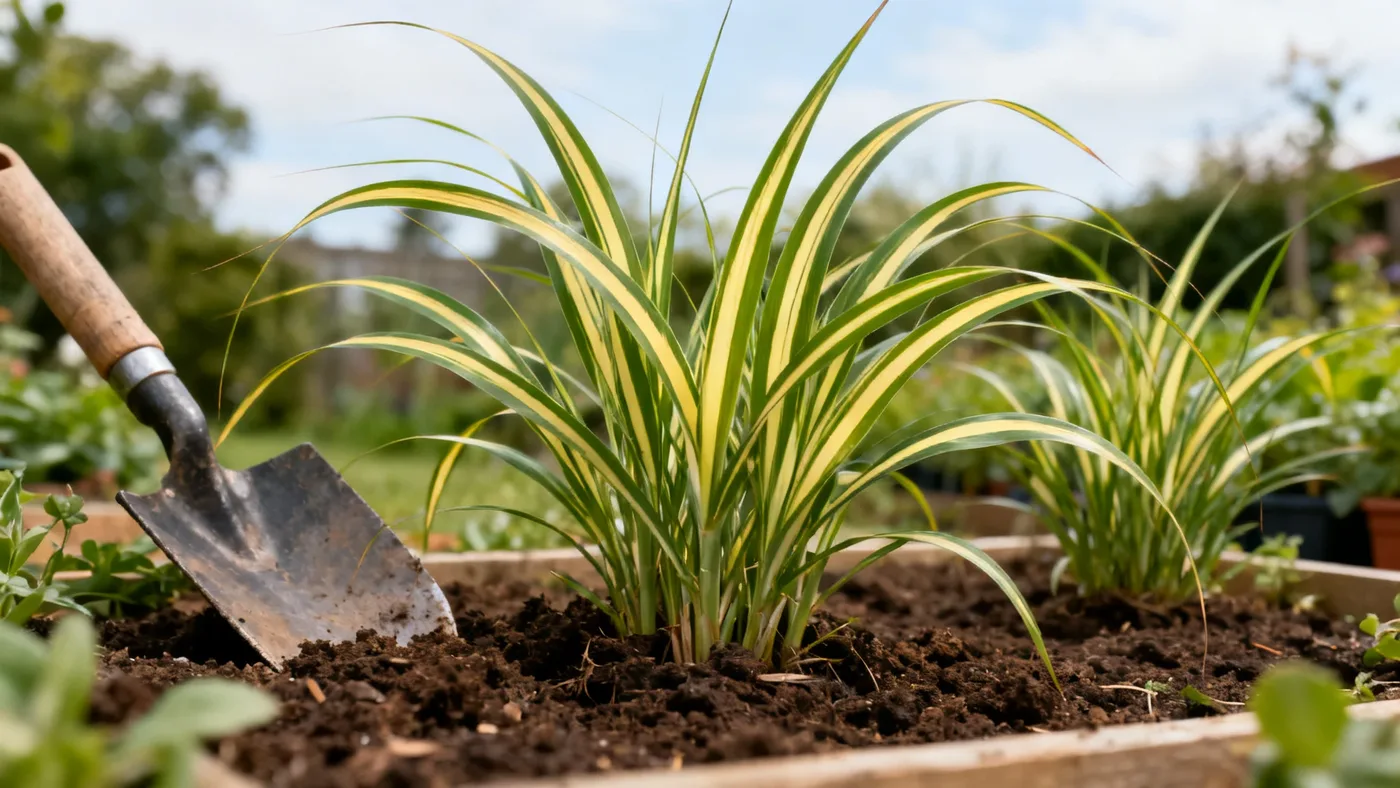
Planting Dwarf Zebra Grass (Miscanthus sinensis 'Little Zebra') is straightforward when you know what conditions it needs and when to put it in the ground. This compact ornamental grass brings year-round visual interest to gardens, with distinctive creamy-yellow banded foliage that shifts to warm bronze and tan tones in fall. Whether you are adding a single specimen accent to a perennial border or planning a mass planting for landscape impact, the right site selection and timing will set your new plants up for strong establishment.
Choosing the Right Planting Site
Dwarf Zebra Grass is a sun-loving plant. It needs at least 6 hours of full, direct sun daily to perform at its best. In full sun, the characteristic horizontal yellow banding on the foliage stays vivid and clearly visible throughout the growing season. The plant will tolerate part shade or light shade, but in shadier spots, growth becomes looser and more open, and both the variegation and flowering noticeably diminish. If your garden has multiple possible locations, choose the sunniest one available.
Soil requirements are less strict than light. Dwarf Zebra Grass adapts to most soil types, including heavy clay, which often poses challenges for gardeners. The plant prefers moist, well-drained soil with a pH between 5.5 and 7.5, but it tolerates broader ranges and will establish in average garden soil. The critical factor is drainage. This grass does not like standing water or persistently soggy conditions, especially over winter when wet soil can trigger crown rot. If your planting site tends to stay wet, consider building a raised bed, working in 2 to 3 inches of compost, or adding coarse sand to the planting hole and surrounding area to improve drainage.
Observe your chosen site throughout a full day. Morning shade that clears by mid-morning is acceptable, but locations that remain shaded until afternoon are not ideal. Afternoon shade cast by shrubs, trees, or structures to the west can be workable if the site warms again by sunset. Dense, all-day shade will result in weak and spindly growth.
When to Plant Zebra Grass: Timing by Zone
Dwarf Zebra Grass is winter hardy in USDA zones 4 through 9, covering most of the continental United States. Knowing your zone helps you time planting correctly and understand what to expect through the seasons.
Spring planting after your region's last frost date is the safest and most reliable window. This timing gives the plant several months of warm weather to establish a strong root system before dormancy sets in. To find your last frost date, check with your local Cooperative Extension office or search "last frost date [your zip code]" online.
Early fall planting is also viable, especially in zones 6 through 9 where the growing season extends well into October and November. If you plant in early fall, aim for at least 4 to 6 weeks before your first fall frost date. This window allows roots to anchor in and establish before soil temperatures drop. Fall planting in zones 4 and 5 is riskier because the compressed timeframe between planting and first frost may not allow sufficient establishment. Avoid planting in late fall or winter entirely. At those times, the plant's energy is underground, and young plants are vulnerable to frost heave, which pushes them from the soil as it freezes and thaws.
Materials and Tools You Will Need
- One container-grown Dwarf Zebra Grass plant (typically quart, #1, or #3 containers)
- Spade or shovel for digging
- Garden fork for loosening compacted soil
- Compost, aged bark, or other organic mulch
- Garden gloves (recommended; leaf blades have sharp edges)
- Bypass pruners or garden shears
- Watering can or garden hose with a gentle spray nozzle
- Measuring tape (if planting multiple specimens)
Step-by-Step Planting Instructions
Step 1: Prepare the Planting Site
Clear away weeds, existing grass, and debris from your planting area. Using a garden fork, loosen the soil to a depth of 12 to 18 inches and across a width of at least 18 inches. Breaking up compacted layers creates an easy path for roots to penetrate and expand. If your soil is dense clay, work in 2 to 3 inches of compost or well-rotted bark mulch throughout the loosened area. This improves both drainage and the soil's structure, making it easier for young roots to establish.
Step 2: Dig the Planting Hole
Dig a hole as deep as the root ball of your nursery plant and roughly twice as wide. Most container-grown Dwarf Zebra Grass plants arrive in quart or #1 containers (rarely #3 for larger specimens). Measure the depth and width of the container to match those dimensions. Once planted, the top of the root ball should sit at ground level or slightly above it. Planting too deep invites crown rot, particularly in cooler climates or in heavy soil that retains moisture.
Step 3: Remove the Plant from Its Container
Water the plant lightly in the container a few hours before planting to reduce transplant stress. Tip the container on its side and gently slide the plant out. If roots are circling tightly around the inside of the pot, loosen them gently with your fingers. You need not aggressively shred the root ball, but teasing apart the outer roots encourages them to spread into the surrounding soil rather than continuing their coiled pattern.
Step 4: Set the Plant in the Hole
Lower the Dwarf Zebra Grass into the hole so the top of the root ball sits level with the surrounding soil surface. Use a straight edge or measuring stick laid across the hole to verify this alignment. Backfill halfway with the native soil you removed, then water gently to settle soil and eliminate air pockets. Finish backfilling the remaining hole and water once more. The soil should be moist but not waterlogged.
Step 5: Space Multiple Plants Correctly
If planting more than one Dwarf Zebra Grass, space them 24 to 36 inches apart, measuring center to center. This spacing reflects the plant's mature width of 2 to 3 feet. Plants set 24 inches apart will fill in quickly and create a fuller, denser appearance within 2 to 3 growing seasons. Plants spaced at 36 inches take longer to reach full mature size but benefit from better air circulation, which can reduce fungal disease pressure in humid climates. Choose spacing based on your design goals and how quickly you want the planted area to feel full.
Step 6: Mulch and Water Thoroughly
Apply 1 to 2 inches of compost or bark mulch around the base of each plant, keeping the mulch 2 to 3 inches away from the crown to prevent rot. Water deeply after planting to settle soil. Maintain consistent moisture for the first 4 to 6 weeks as the plant establishes roots. After the initial establishment period, water deeply once or twice per week if rainfall is scarce. Once established (typically by late summer or fall of the first year), Dwarf Zebra Grass becomes drought tolerant and requires watering only during extended dry spells.
What to Expect Your First Year and Beyond
Dwarf Zebra Grass often produces blooms in its first or second year after planting. Do not be discouraged if your plant looks modest in size during the first growing season. The species reaches full mature height and width in about 2 to 3 years. In year one, prioritize consistent watering and letting the root system establish deeply rather than expecting dramatic above-ground growth. The horizontal yellow banding should be clearly visible on foliage grown in full sun from the start.
Fall is when Dwarf Zebra Grass shows its most dramatic color transformation. Foliage shifts from green to tan, gold, and bronze tones, while flower plumes that emerged in late summer mature from coppery-pink to silvery-tan or white. These dried plumes and foliage persist through winter and are typically left standing as ornamental interest until late winter or very early spring when you perform your annual pruning.
Common Mistakes to Avoid
Planting too deep is the single most common error. Even if the container soil sits an inch or two above the pot rim, plant it at that level. Burying the crown below soil surface risks rot, especially in cool climates.
Overwatering after the initial establishment period causes soggy soil and crown rot, particularly over winter. Once the plant is established, let the soil dry somewhat between waterings rather than keeping it perpetually wet.
Insufficient light results in weak, floppy growth and significantly reduced variegation. Full sun is worth the effort to locate and provide.
Spacing plants too closely reduces air circulation, which invites fungal diseases in humid regions. Adhere to the 24 to 36 inch spacing guidelines even if it looks sparse initially.
Neglecting to amend heavy clay soil leaves roots struggling to penetrate and establish. Although Dwarf Zebra Grass tolerates clay, loosening the planting area and mixing in organic matter makes a tangible difference in first-year vigor and long-term plant health.
Moving Forward with Care
Once your Dwarf Zebra Grass is established and growing vigorously, it requires minimal maintenance. For detailed guidance on year-round care throughout the seasons, see our complete Dwarf Zebra Grass care guide. The main annual task is early spring pruning: cut all foliage back to 4 to 6 inches above the ground before new growth emerges.
Quick Reference: Planting Checklist
| Task | Specification |
|---|---|
| Sun requirement | 6+ hours direct sun daily |
| Soil type | Moist, well-drained; pH 5.5-7.5 |
| Planting season | Spring after last frost; early fall (zones 6-9) if at least 4-6 weeks before first frost |
| Spacing | 24-36 inches apart (center to center) |
| Planting depth | Top of root ball at or slightly above soil surface |
| Hole dimensions | As deep as root ball; twice as wide |
| First-year watering | Consistent moisture for 4-6 weeks; then 1-2x weekly if dry |
| Mulch depth | 1-2 inches, kept 2-3 inches from crown |
| Time to mature size | 2-3 years |
| Mature height (foliage) | 3-4 feet |
| Mature width | 2-3 feet |
| Hardiness zones | 4-9 |