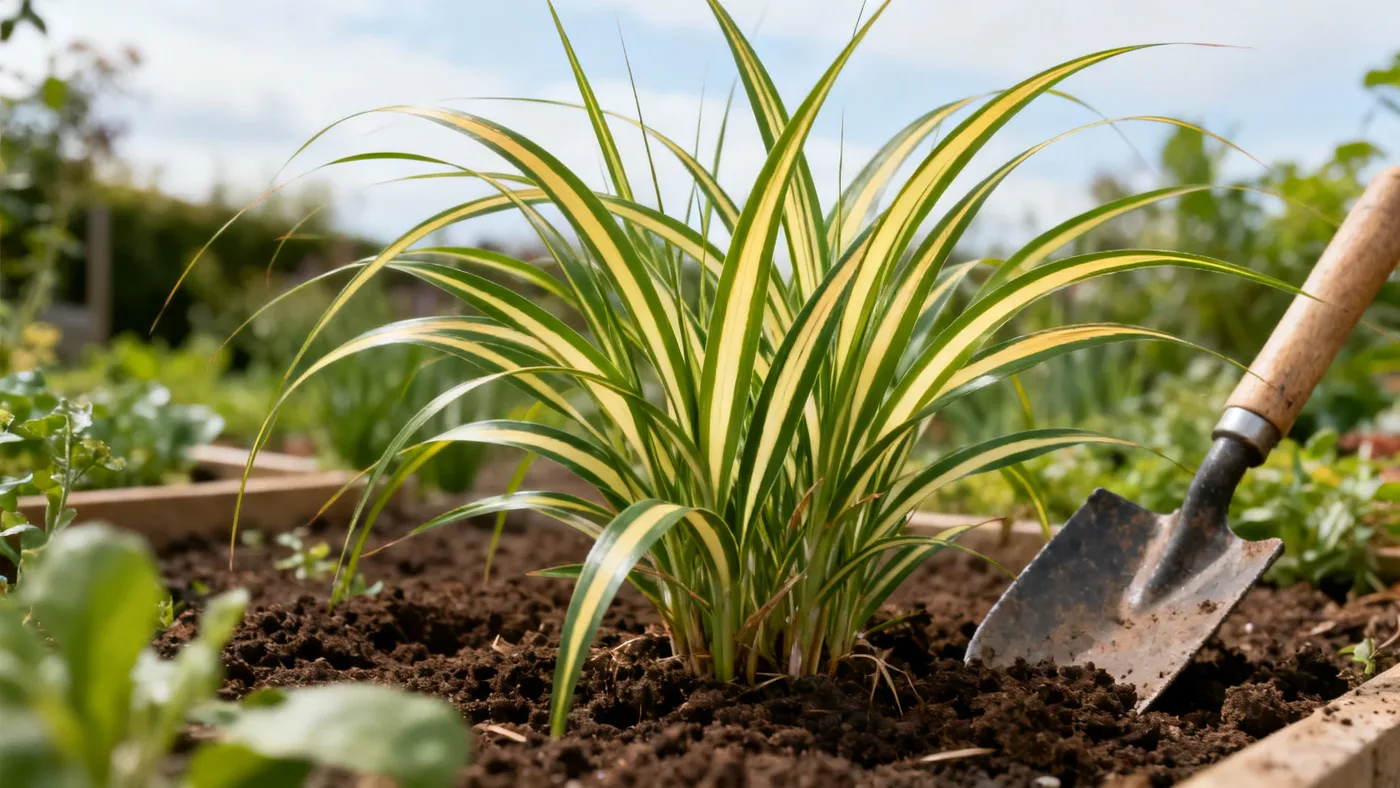
Best Landscape Uses and Companion Plants for Dwarf Zebra Grass
Dwarf Zebra Grass (Miscanthus sinensis 'Little Zebra') brings year-round structure and texture to the landscape, and its compact size makes it adaptable to nearly any garden scheme. Unlike its full-size cousin, this cultivar reaches just 3 to 4 feet in foliage height, with plumes extending to 4 to 5 feet, fitting gracefully into residential gardens without overwhelming the space. The real magic lies in pairing it with the right companion plants and positioning it where its distinctive horizontal striping and fiery fall color can shine. Here are the best ways to use Dwarf Zebra Grass in your landscape, plus the plants that will make it look its finest.
1. Mixed Perennial Borders with Late-Season Color
Dwarf Zebra Grass is a star player in mixed perennial borders, where it provides late-season interest that keeps the garden from looking sparse after summer bloomers fade. Plant it in the mid-to-back row, spacing clumps 24 to 36 inches apart to allow for mature spread of 2 to 3 feet. The coppery-pink plumes appear in late summer and persist into fall, creating a backdrop for cooler-season colors and adding movement even on still days.
Pair Dwarf Zebra Grass with Sedum for texture contrast and shared drought tolerance. Sedums like 'Autumn Joy' bloom in late summer in shades of mauve and burgundy, echoing the warm tones of the grass plumes. In front, tuck black-eyed Susans (Rudbeckia) or purple coneflowers (Echinacea) for mid-summer color that bridges the gap until the grass blooms. Russian sage (Perovskia), with its airy violet-blue flowers and silvery foliage, creates a soft haze that complements the grass's bold vertical lines. All these companions thrive in full sun and average, well-drained soil, making for a low-maintenance, high-impact border that requires just a single pruning each spring.
Practical takeaway: Allow the grass and its companions to stand through fall and winter. Cut everything back to 4 to 6 inches above the ground in late winter or very early spring before new growth emerges. This approach maximizes winter interest and gives birds access to seed heads for food and shelter.
2. Mass Planting for Bold Structure
For a landscape statement that reads from the street, mass 3 to 5 clumps of Dwarf Zebra Grass in a drift rather than scattering single plants. Spacing clumps 24 to 36 inches apart creates a unified visual block that catches the eye and provides strong seasonal bones. A mass planting reaches full mature size in 2 to 3 growing seasons, so patience is rewarded with a substantial feature that anchors the garden layout.
This technique works especially well along property lines, foundation plantings, or as a green screen to soften hardscape. Mass a single cultivar for a clean, sophisticated look, or repeat the planting 2 or 3 times across the landscape for rhythm and continuity. If the site receives full sun (6 or more hours daily), the grass will maintain tight, upright growth and exceptional banding. In partial shade, growth becomes looser and the variegation less vivid, so reserve mass plantings for full-sun locations.
Practical takeaway: Number your plants and space them evenly before planting. Use a measuring wheel or mark spacing with stakes. This prevents the drift from looking random and ensures balanced growth as the clumps mature.
3. Focal Point and Specimen Accent
A single well-positioned clump of Dwarf Zebra Grass commands attention as a focal point, especially in smaller gardens where a massed display isn't practical. Position it where it catches morning or late-afternoon light, which illuminates the cream-and-green striping and makes the fall plumes glow amber and copper. A specimen accent works well at a garden corner, an entry point, or at the end of a sight line where the eye naturally lands.
The grass looks striking paired with dark-foliaged perennials or bold sculptural plants that emphasize its arching, delicate habit. Ornamental sedges (Carex) in burgundy or deep green tones create beautiful contrast at the base. Dwarf conifers or deep-purple heucheras underscore the warm tones of fall color. The specimen benefits from 6 or more hours of full sun daily; reduced light causes looser growth and dimmer banding, diminishing the specimen effect.
Practical takeaway: Plant the specimen slightly elevated (on a small berm or slope) if possible. This improves drainage, showcases the plant's form, and makes the plumes more visible against the sky.
4. Large Container Plantings
Dwarf Zebra Grass suits large containers exceptionally well. Unlike its taller parent, this compact cultivar fills a substantial pot without toppling or looking sparse. Use a container at least 18 inches in diameter with drainage holes, filled with quality potting mix amended with compost. Place the pot in full sun on a patio, deck, or entryway to enjoy close-up views of the variegation and fall color shift.
In a container, the grass becomes a mobile focal point that you can move seasonally or refresh alongside blooming annuals or perennials. For spring and early summer, underplant with ornamental sedges or silvery artemisia to echo the grass's foliage tones. As summer fades, the grass takes the starring role. Container plantings need watering more frequently than in-ground plantings, particularly during establishment and hot weather. Once established, the grass tolerates average moisture and even dries out gracefully in a pot, provided it receives at least 6 hours of sun daily.
Practical takeaway: In zones below zone 7, move containers to a sheltered location or against the house in late fall. While the grass is hardy to zone 4, the pot itself may heave with repeated freeze-thaw cycles. Wrapping the container in burlap or moving it reduces winter damage to both pot and root zone.
5. Slope and Erosion Control
The clumping, fibrous root system of Dwarf Zebra Grass makes it useful for small-scale erosion control on slopes or berms. Its moderate growth rate (reaching full size in 2 to 3 years) and deep, dense roots stabilize soil without requiring annual maintenance or aggressive management. Space clumps 24 to 36 inches apart on a slope to create a living matrix that slows water runoff and traps sediment.
Pair the grass with creeping Sedums and ornamental sedges that spread horizontally to fill gaps and further reinforce the slope. The combination of vertical grass clumps and low-spreading sedums creates layered coverage that is both attractive and functional. Once established, the planting needs only a single late-winter pruning and tolerates dry conditions, making it ideal for slopes where irrigation is impractical or unwanted.
Practical takeaway: On steep slopes, install coir logs or erosion-control fabric temporarily to support the slope until roots establish. Amend lean soil with compost before planting to improve water retention and root development. Avoid areas where water concentrates during heavy rains, which may cause washout despite the grass's stabilizing effect.
6. Rock Gardens and Well-Drained Beds
Dwarf Zebra Grass fits beautifully into rock gardens, where its arching habit and fine foliage texture contrast with stone and bold-foliaged succulents. The grass tolerates poor, rocky soil and is drought tolerant once established, thriving in the lean conditions that often challenge conventional perennials. Its moderate salt tolerance also makes it suitable for gardens near driveways treated with winter salt.
In a rock garden, underscore the grass with Sedum varieties in shades of dusty blue, charcoal, or burgundy. Carex and other ornamental sedges create softness at the base while echoing the grass's textural quality. Position the grass where it won't shade nearby plants and receives full sun daily. Rock gardens warm quickly in spring, suiting the grass's moderate growth rate as it emerges later than some perennials, reducing the risk of frost damage to new shoots.
Practical takeaway: Install the grass slightly above the surrounding rock level or berm to ensure excellent drainage and highlight its form. Avoid placing rocks too close to the base, which can trap moisture and encourage rot.
7. Border and Edging Accent
Dwarf Zebra Grass makes an unexpected yet effective border plant, especially along pathways or fence lines where its height of 3 to 4 feet doesn't obstruct views. Rather than using it as a solid hedge, plant single clumps 3 to 4 feet apart to create a rhythmic, punctuated edge. The arching foliage softens hard lines and invites the eye along the pathway.
Combine border plantings with lower companion plants that echo or contrast the grass's texture and color. Plant low-growing Sedums or creeping sedges in front to hide bare lower stems and create layered depth. The grass's fall plumes add vertical interest above the companions, extending the season of color and movement. A border accent requires full sun and average, well-drained soil; in shaded pathways, growth becomes lanky and the distinctive striping fades.
Practical takeaway: Mulch around the grass and its companions with arborist mulch or compost to retain moisture and suppress weeds during establishment. Keep mulch 2 inches away from the grass base to prevent stem rot.
8. Winter Interest and Four-Season Gardens
Few perennials earn their space as thoroughly as Dwarf Zebra Grass does in winter. After frost, the foliage shifts to tan, gold, and bronze tones while the plumes mature to silvery-tan or white, creating a stunning display that persists until late winter. This outstanding winter interest justifies a prominent position where you'll view it from a window or from frequently traveled pathways.
Leave the grass standing through winter to maximize this benefit and provide food and shelter for birds and small wildlife. The dried plumes add movement and light-catching texture on even the darkest winter days. In spring (late winter or very early spring before new growth), cut all foliage back to 4 to 6 inches above the ground. Pair the grass with early-blooming bulbs like hellebores or winter-blooming heathers, which will emerge beneath the grass as it greens up, layering seasons of interest in a single bed.
Practical takeaway: Cut the grass when new shoots are just beginning to emerge at the base, typically in late February or March depending on your zone. The emerging shoots provide a clear signal that it is time to prune. Do not cut earlier, as frost may still damage exposed new growth.
Quick Reference: Landscape Uses and Companion Pairings
| Landscape Use | Best Companion Plants | Sun Requirement | Spacing | Mature Height |
|---|---|---|---|---|
| Mixed borders | Sedum, Rudbeckia, Echinacea, Perovskia | 6+ hours full sun | 24-36 in apart | 3-4 ft foliage; 4-5 ft with plumes |
| Mass planting | Single cultivar repeated | 6+ hours full sun | 24-36 in apart | 3-4 ft foliage; 4-5 ft with plumes |
| Focal point accent | Dark Carex, burgundy heuchera, dwarf conifers | 6+ hours full sun | Single specimen | 3-4 ft foliage; 4-5 ft with plumes |
| Large containers | Ornamental sedges, artemisia, Sedum | 6+ hours full sun | One per 18 in+ pot | 3-4 ft foliage; 4-5 ft with plumes |
| Slope and erosion control | Creeping Sedum, ornamental sedges | 6+ hours full sun | 24-36 in apart | 3-4 ft foliage; 4-5 ft with plumes |
| Rock gardens | Sedum varieties, Carex, sedges | 6+ hours full sun | 24-36 in apart | 3-4 ft foliage; 4-5 ft with plumes |
| Border edging | Low Sedum, creeping Carex | 6+ hours full sun | 3-4 ft between clumps | 3-4 ft foliage; 4-5 ft with plumes |
| Winter interest | Hellebores, winter heathers, early bulbs | 6+ hours full sun | Single specimen or mass | 3-4 ft foliage; 4-5 ft with plumes |
For specific care instructions on pruning, watering, and maintenance once you have planted your Dwarf Zebra Grass, refer to the complete Dwarf Zebra Grass care guide for every season.