Dwarf Zebra Grass vs Blue Fescue: Season and Foliage Color
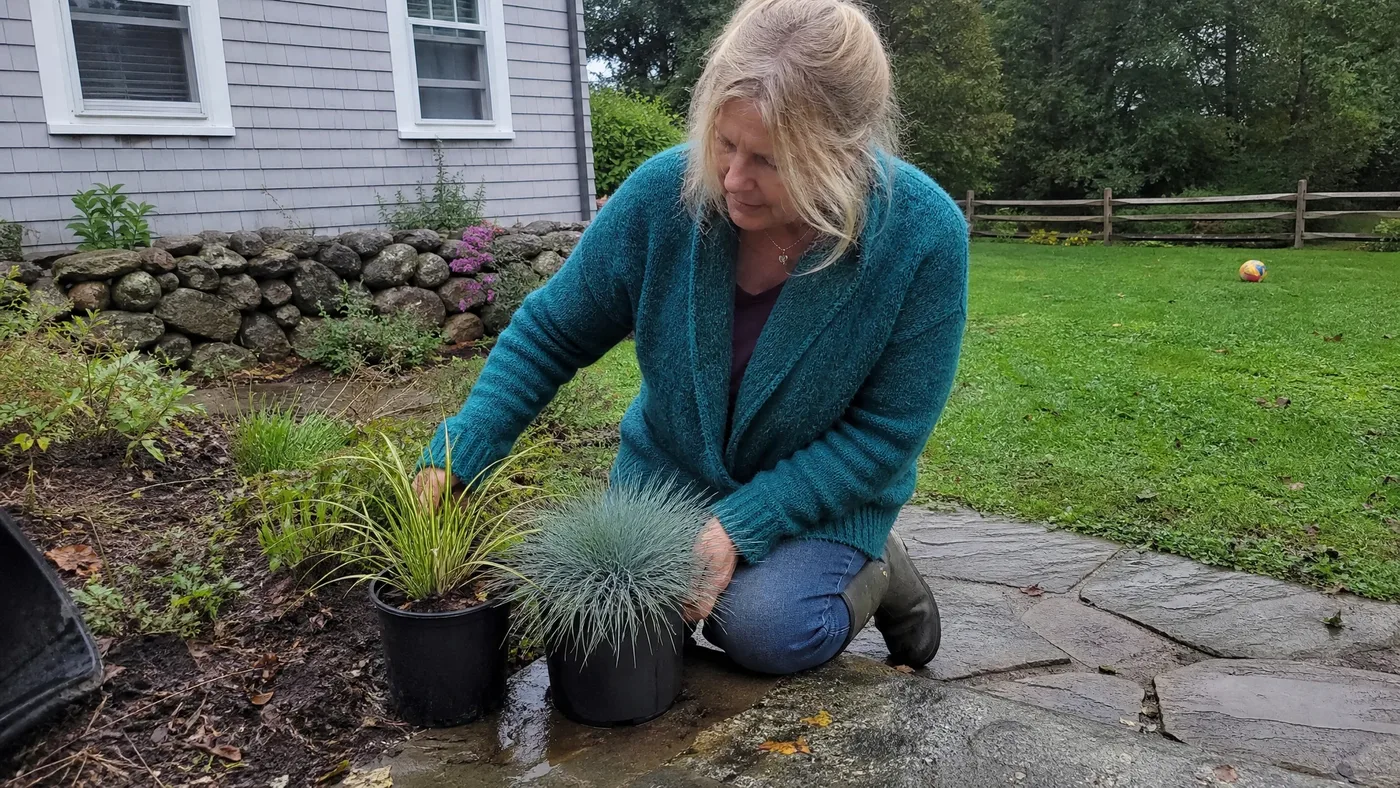
You are kneeling at the edge of a path with two nursery pots in your hands, one spiky and blue, one green with gold bands, and the light is going. The common belief is that a small edging grass means blue fescue, and that anything with stripes will outgrow the spot.
What we see instead is that the pots tell you little. The better question is how your summers treat a cool-season mound compared with a warm-season clump, and which months you want the edge to look good. Choose wrong and you end up replacing brown tufts or staring at bare ground.
In this article, we'll go through the seasons each grass covers, summer heat and sun, color, cutback timing, and how long each one lasts.
Start With the Seasons Dwarf Zebra Grass Covers
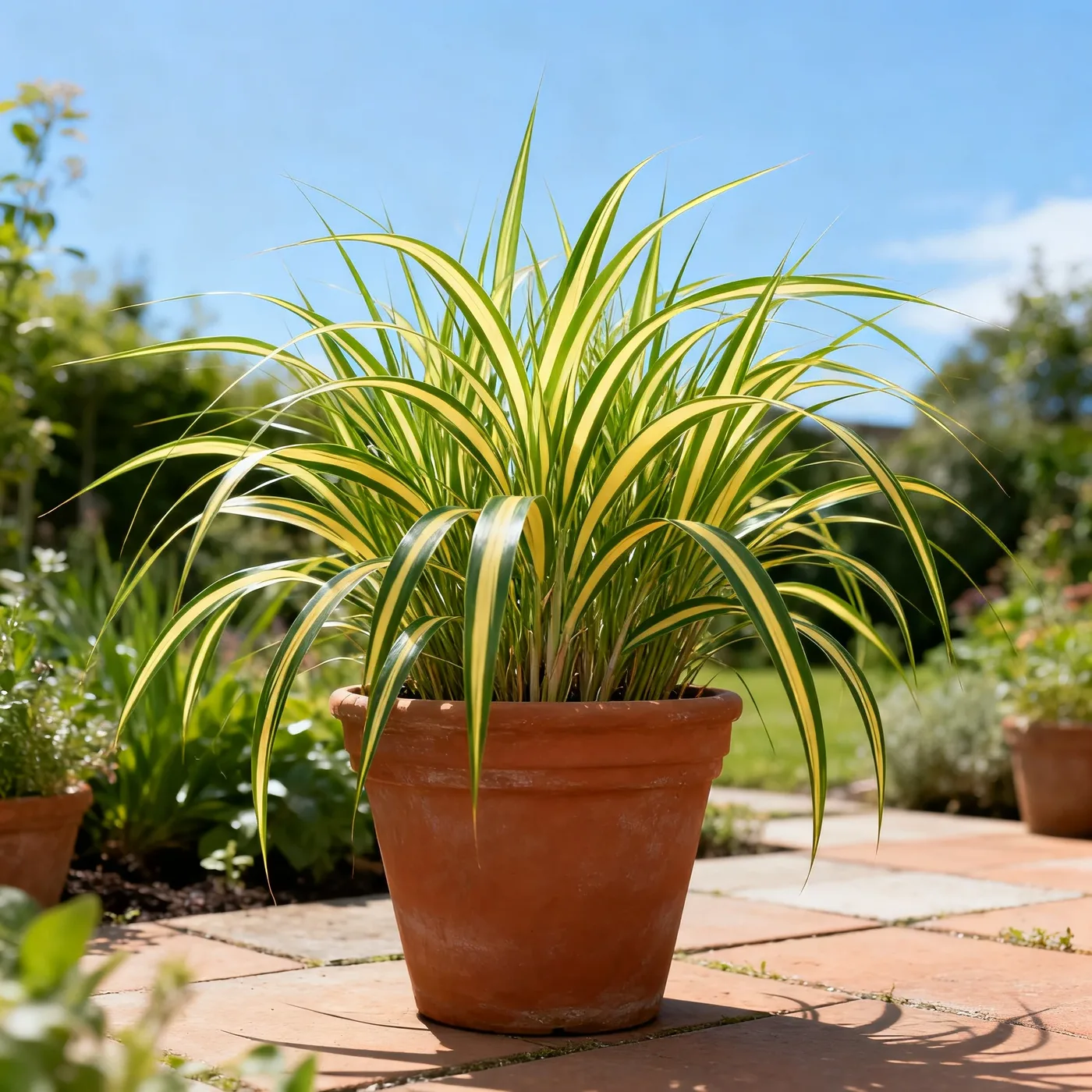
Dwarf Zebra Grass is a warm-season grass, and that one fact sets its whole calendar. It sits low and quiet in early spring, builds a banded clump through summer, and saves its biggest show for late in the season when the plumes rise. The cultivar reaches 3.3–5 feet tall and 1.6–3.3 feet wide. That height arrives late, so an edge planted with it looks modest in April and full by August.
Blue fescue runs the other way. It is a cool-season, semi-evergreen mound, so it holds its blue-gray color through the cold months when the zebra clump has turned to straw. It looks its best in spring and fall and slows down when the weather turns hot. It also stays a small, low cushion all year, which is its strength and its limit.
What Winter Looks Like
After frost, the zebra's dead stems stand through winter as pale straw. They catch frost, move in wind and give a bed some structure in January. A fescue edge gives you a ribbon of blue instead, which reads well against snow, bare soil or mulch but never rises above ankle height.
Size Matters More Than You Think
The cultivar is far smaller than the species, which grows 4–12 feet tall and 4–6 feet wide, so do not let the word "Miscanthus" scare you off. Still, at up to 5 feet it is a back-of-the-border or mid-bed plant in many yards, not a true low edge. If your edge has to stay under knee height, fescue is the honest answer. If you can spare a few feet of depth, the zebra gives you far more to look at.
The choice: if you want late-season height and a winter silhouette, plant Dwarf Zebra Grass. If the bed is a low, tidy accent you mostly enjoy in spring and fall, fescue fits. For most borders with real summers, we would start with the zebra.
Summer Heat Decides Fescue's Fate
This is where most edging plans succeed or fail. A cool-season grass puts on its best growth in cool weather, and a long hot summer is the stretch it has to survive. Dwarf Zebra Grass does its best growing in that same heat, which is why the two look so different by August even when they went into the ground on the same day.
How Fescue Behaves in Heat
In hot, humid summers, fescue tends to thin out from the center, turn straw-brown in patches and look tired by August. Wet soil makes it worse. Some plants recover when fall cools off, but a bed that browns out every year is telling you the plant is in the wrong climate. In milder summers, the same mound stays blue and full.
How the Zebra Clump Handles It
The zebra clump grows through the same weather without fuss. UF/IFAS describes the species as quite drought tolerant, and our guide to heat and drought tolerance covers what that means once it is established. Water it well the first season and then mostly leave it alone. UF/IFAS lists the species for zones 4 through 9, while NC State gives 5a–9b, so check your zone with your local extension service before you commit to a cold-edge planting.
A Quick Summer Check
Before you buy fescue, run through these points and be honest about the answers:
- Do your July and August nights stay warm and humid? If so, fescue is a gamble and the zebra is the safer pick.
- Does the edge sit beside a lawn, a drive or a wall that bakes in the afternoon? Reflected heat is hard on a cool-season mound.
- Do summers stay mild where you garden? Then fescue can do well and the choice is mostly about color.
The choice: hot summers, pick the zebra. Mild summers, either one works.
Dwarf Zebra Grass Wants Sun, Fescue Takes Less
Dwarf Zebra Grass wants full sun. The species can handle part shade, and full sun means 6 or more hours of direct light a day, but we would not plant the cultivar in a half-day spot. Light controls two things you bought it for: the upright habit and the gold banding. In shade the clump leans and opens up, and the bands fade toward plain green.
Customers usually ask us whether the zebra will manage in a half-day spot. We tell them it will live there but won't look like the picture on the tag.
Fescue is more forgiving about light, within limits. Its blue color is strongest in sun, and where summers are hot it appreciates some relief from the harshest afternoon light. Deep shade turns the needles dull green and lets the mound sag.
Soil Is the Other Half of the Site
The zebra is easygoing underground. Fescue wants sharper drainage. If water stands on your edge after rain, the zebra gets the spot, or you raise the bed before planting anything cool-season.
Our sun and light guide goes into the zebra's needs in more detail. For this decision, a simple test is enough. Stand in the bed at midday and mid-afternoon and note when the shade arrives.
The choice: a bed in all-day sun, or one with heavy soil, gets the zebra. A bed that loses sun by mid-afternoon in a hot climate, with fast drainage, is where fescue earns its place.
Choosing Dwarf Zebra Grass Bands or Blue Needles
The zebra's color comes from horizontal gold bands that cross each green blade, so the whole clump looks warmly speckled from a distance. Fescue gives you fine needles in a cool blue-gray with a silvery cast. The two do very different jobs in a color scheme, and picking one for the wrong palette is the most common mismatch we see on planting day.
Warm Bands for Warm Borders
Gold banding pairs well with oranges, rusts, yellows and deep reds. It also lifts a green planting that feels flat. Late in the season the plumes add another layer of warm color above the clump, something fescue cannot match at its height. The banding does depend on sun, so if yours fades, our guide to why Dwarf Zebra Grass loses its stripes will help you trace the cause.
Cool Blue for Cool Borders
Blue needles suit purples, pinks, silvers and whites. They also calm a busy bed, because the fine texture sits quietly beside bolder plants. The trade-off is that the color is only as good as the plant's health. A browning fescue loses the one thing you chose it for.
The choice: go by the neighbors. Warm flowers and foliage nearby call for the zebra. A cool or silver scheme calls for fescue. If you can't decide, the banded clump is the one that surprises people in a good way.
When Each Grass Gets Its Haircut
The two grasses want opposite treatment, and mixing up the routines is how people damage them. The zebra gets one hard cut a year. Fescue gets light grooming and no hard cut at all. The species should be cut in late winter or early spring, before or just as new blades begin to appear.
That timing suits the straw look. Leave the stems up through winter, then take the whole clump close to the ground before green shoots appear so they don't get caught in the cut. Gather the stems with twine first and the job takes minutes, with far less cleanup. Wear gloves and sleeves, because the dry blades are sharp. Our cutback guide has the details.
Fescue is semi-evergreen, so it holds its leaves. Cutting it hard leaves a stubby plant that is slow to fill back in. Comb out the dead blades by hand, snip off spent flower stems and tidy as needed. Here is how the two compare through the year.
| Task | Dwarf Zebra Grass | Blue Fescue |
|---|---|---|
| Main cut | One hard cut to near the ground | None, never cut hard |
| Timing | Late winter or early spring, before new growth | Light tidying whenever it looks ragged |
| Winter look | Straw stems left standing | Blue-gray leaves stay in place |
| Rest of the year | Leave it alone | Comb out dead blades, snip spent stems |
The choice: if you like one big job and then months of nothing, take the zebra. If you would rather tidy a little all year, fescue suits you.
Dwarf Zebra Grass Lasts Where Fescue Tires
Plan for the long run before you plant. Dwarf Zebra Grass is a clump-forming perennial that comes back each spring and widens slowly, and the species is a medium grower, so it will not swamp the edge in a single season. Fescue clumps tend to tire over time. The center thins, the mound opens up, and the plant looks worn even when you groom it well. We usually see this sooner in hot, wet sites than in cool, dry ones.
Dividing a Tired Zebra Clump
The zebra's answer to age is division. When the center of the clump thins, lift it and split it. Our guide on dividing Dwarf Zebra Grass has the full method. The short version looks like this:
- Dig the whole clump in early spring, just as new growth starts.
- Cut it into sections with a sharp spade, keeping healthy roots on each one.
- Discard the worn center and replant the vigorous outer pieces at the same depth.
- Water well and keep the soil evenly moist while the divisions settle in.
One clump can furnish several new plants, so the first purchase can fill a long stretch of edge over a few years if you are patient.
Replacing Worn Fescue
With fescue, you generally replace tired plants rather than rescue them. Budget for that, and keep a few spares on hand if the edge has to look uniform. A fresh blue plant next to a three-year-old one shows, so replace in groups rather than one at a time.
The choice: for a planting you want to set once and maintain cheaply, the zebra wins, because it renews itself from its own clump.
Your Edging Decisions Added Up
Put the choices together and the pattern is clear. Pick Dwarf Zebra Grass if you have full sun, real summer heat, warm colors nearby and a taste for winter straw. Pick blue fescue if your summers are mild, the bed is a cool-toned accent and you are happy to groom lightly and replace plants. In hot climates, we would choose the zebra almost every time.
The two also mix well. A zebra at the back with fescue in front gives you gold bands and blue needles in one bed, as long as that front spot stays out of the worst heat. On planting day, check the sun first, mark where the hose reaches, and put a reminder on your calendar for the late-winter cut.
Dwarf Zebra Grass
Nursery-grown Dwarf Zebra Grass in sizes from Quart, shipped to your door.
From $26.99
Shop Now →Dwarf Zebra Grass is happiest in our rows with a full day of sun and ground that is only moderately rich and never holds water, and that is how we keep it. Nothing leaves our farms unless we would plant it in our own beds, and that goes for every tree, shrub and grass we grow. When you have settled the zebra versus fescue question, come and look over the plants we have ready.