Is Dwarf Zebra Grass Deer and Rabbit Resistant?
When you are shopping for ornamental grasses to fill a landscape that deer and rabbits visit regularly, the question of deer resistance and rabbit resistance becomes central. Dwarf Zebra Grass, officially Miscanthus sinensis 'Little Zebra', offers solid protection against browsing wildlife, making it a reliable choice for gardens where damage from foraging is a real concern. This FAQ covers what you need to know about planting this grass where wildlife pressure is high, how its growth habit deters herbivores, and practical tips for maximizing its wildlife defense in your yard.
Deer Resistance: Core Questions
Is Dwarf Zebra Grass deer resistant?
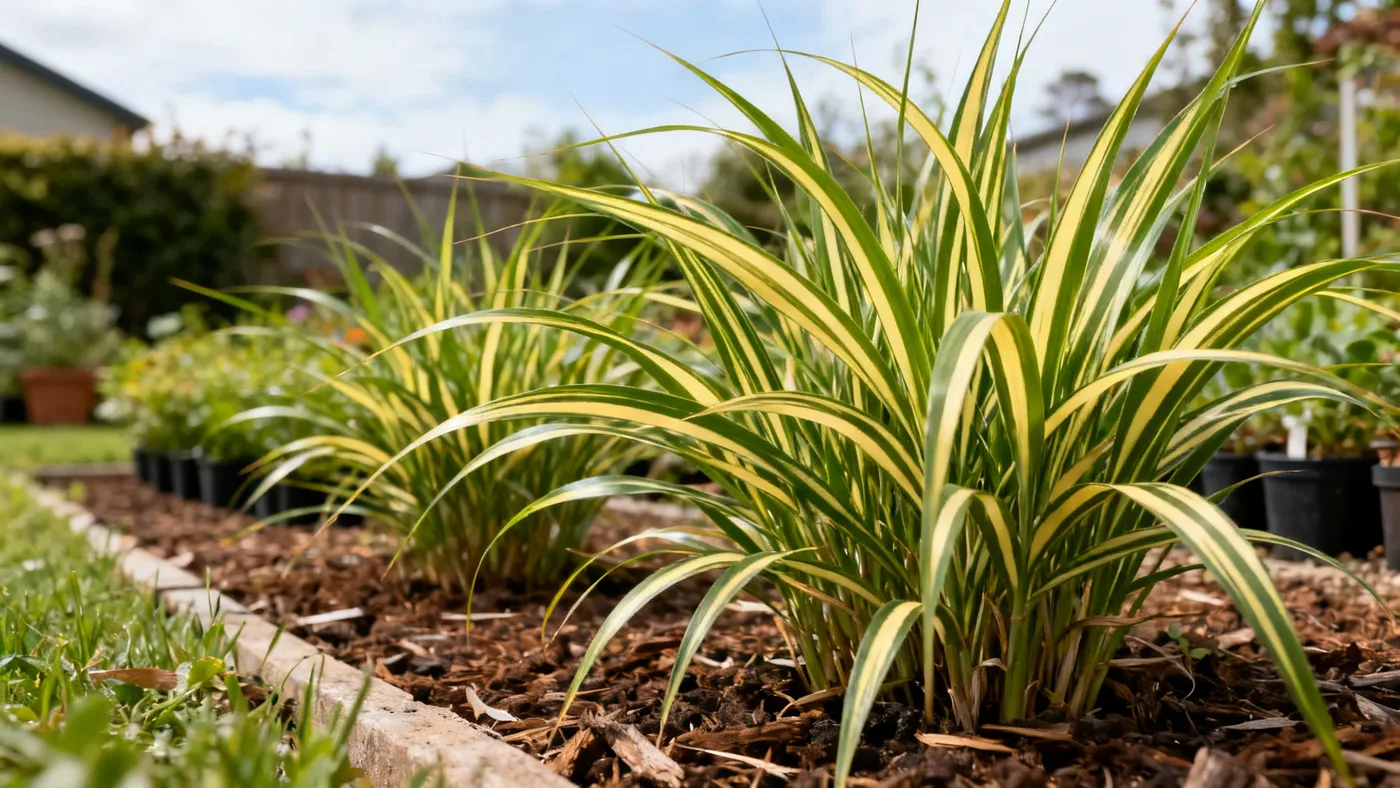
Yes, Dwarf Zebra Grass is rated as having good to high deer resistance. Deer prefer tender, palatable plants and generally avoid the tough, fibrous foliage of warm-season grasses. The narrow, arching blades with horizontal creamy-yellow bands are structurally unappetizing to deer and lack the soft succulence deer seek in ornamental plants.
Why do deer avoid Dwarf Zebra Grass?
Grasses have evolved tough cell walls and silica-rich tissues designed to withstand grazing pressure from wild herbivores. Dwarf Zebra Grass inherits this defensive chemistry from its parent species, Miscanthus sinensis, which is native to East Asia where it faces similar browsing pressure. The texture and blade structure make the plant unappealing as a food source, so deer typically move on to softer plants like hostas, roses, and tulips.
Is Dwarf Zebra Grass deer proof?
No garden plant is truly deer proof under extreme pressure, but Dwarf Zebra Grass comes close in most residential situations. In areas where deer are abundant and food is scarce (such as late winter), very hungry deer may sample the foliage out of desperation. However, in typical suburban gardens with adequate alternative food sources, this grass will not suffer significant browse damage.
What zones is Dwarf Zebra Grass hardy in?
Dwarf Zebra Grass thrives in USDA zones 4 through 9, which covers most of the continental United States where deer populations are high. This wide hardiness range means the grass can survive winter dormancy and reliably return each spring, providing consistent, year-after-year protection in cold and warm climates alike.
Will Dwarf Zebra Grass survive winter and regrow after deer browse?
Yes. The grass is a hardy perennial that dies back to the crown each winter and emerges fresh from the base in spring. Even if deer do nibble the foliage, the clump regenerates reliably once warm weather returns, so winter browse causes no lasting harm to plant vigor.
Rabbit Resistance: Practical Concerns
Is Dwarf Zebra Grass rabbit resistant?
Dwarf Zebra Grass is reasonably resistant to rabbit damage. Rabbits prefer tender, broad-leaved plants and young seedlings; they will rarely target mature grass plants with tough, narrow blades. The plant's arching habit and dense clump (reaching 2 to 3 feet wide) offers little appeal compared to lettuce, clover, or ornamental shrubs.
Do rabbits eat ornamental grass?
Rabbits occasionally nibble grass, especially young, tender growth in spring. However, they typically seek out softer perennials, vegetables, and ground covers first. Once Dwarf Zebra Grass is established and its foliage hardens, rabbits find easier targets elsewhere in the garden.
Can baby rabbits damage Dwarf Zebra Grass seedlings?
Young rabbits may sample very young seedlings or tissue-culture plants from the nursery before they develop tough foliage. Establishing plants quickly by spacing them 24 to 36 inches apart (as recommended in our planting guide) speeds establishment and reduces the window of vulnerability to rabbit browsing.
Other Wildlife and Safety Questions
Is Dwarf Zebra Grass toxic to pets or wildlife?
No. Dwarf Zebra Grass is not known to be toxic to dogs, cats, or any pets. The plant is also safe for wildlife, including birds, which may shelter in or feed on seed from the grass. Pets may nibble grass as a natural grazing behavior, and this plant poses no health risk if consumed in normal amounts.
Do birds nest in Dwarf Zebra Grass?
Yes, birds appreciate the dense clump structure and shelter provided by mature plants. The dried foliage and seed plumes in late fall and winter offer both food and protective cover. If you enjoy winter wildlife activity, leaving the grass standing until very early spring (cut back to 4 to 6 inches once new growth begins) maximizes this benefit.
Will Dwarf Zebra Grass become invasive with wildlife present?
The parent species Miscanthus sinensis is invasive or a species of concern in parts of the eastern and southeastern United States due to self-seeding. Dwarf Zebra Grass has lower fertility than the straight species, meaning seed viability is reduced, though some regions may still see light self-seeding. Check your state and local regulations before planting to confirm any restrictions.
Does Dwarf Zebra Grass attract or repel insects?
The grass itself is wind-pollinated and not a significant nectar source for pollinators. It is wind-pollinated, meaning insects are not a major factor in its reproduction. Occasional pests like spider mites or aphids can occur, but these are minor and do not affect the plant's overall wildlife resistance or durability.
Planting Dwarf Zebra Grass in High-Wildlife Areas
What sun exposure do I need for best deer resistance?
Full sun (6 or more hours per day) produces the strongest, most robust foliage and the characteristic horizontal yellow banding that makes the plant visually striking. Dwarf Zebra Grass grown in shade becomes looser, thinner, and less vigorous, which could make it marginally more vulnerable to browse. Plant in full sun to maximize toughness and visual appeal.
How fast does Dwarf Zebra Grass reach mature size?
The grass reaches full mature height and width (3 to 4 feet tall in foliage, 4 to 5 feet with flower plumes, and 2 to 3 feet wide) in approximately 2 to 3 growing seasons. During the first season, young plants are more tender and warrant closer monitoring for wildlife damage, but they establish quickly and fill in rapidly once root systems develop.
What spacing should I use to protect young plants?
Space plants 24 to 36 inches apart, depending on how quickly you want visual coverage. Closer spacing (24 inches) creates a unified visual mass sooner and provides peer-to-peer cover that discourages wildlife from targeting individual plants. This spacing is detailed in our site timing and spacing guide.
When should I plant Dwarf Zebra Grass to minimize wildlife pressure?
Spring planting after the last frost is ideal, giving plants a full growing season to establish strong root systems and toughen foliage before winter arrives. Early fall planting (in milder zones 6 and warmer) also works, provided plants have 6 to 8 weeks before hard frost to root in. Larger, more established plants are far less appealing to wildlife than small nursery stock.
Can I mass plant Dwarf Zebra Grass as a deer-resistant border?
Absolutely. Mass planting is one of the primary landscape uses for Dwarf Zebra Grass. A dense grouping of multiple plants spaced 24 to 36 inches apart creates a bold, unified planting that is visually imposing to deer and rabbits alike. The repetition of the yellow banding and arching forms also creates striking seasonal interest that draws the eye.
Care and Long-Term Resistance
Does fertilizing affect Dwarf Zebra Grass's deer resistance?
Over-fertilizing can cause looser, floppier growth that may become more palatable to deer. Dwarf Zebra Grass is a light feeder, and a single moderate fertilizer application in spring is optional. Avoid excessive nitrogen, which produces tender new growth that is more susceptible to browse than naturally robust foliage. For details on balanced care, see our complete seasonal care guide.
How does winter dormancy protect Dwarf Zebra Grass from wildlife?
In late fall, the foliage shifts to tan, gold, and bronze tones as the plant enters dormancy and hardens further. The dried, fibrous texture becomes even tougher and less palatable, so browse pressure naturally drops. Leaving the dried foliage and seed plumes standing through winter (cutting back to 4 to 6 inches in late winter or very early spring) maintains this protective toughness as long as possible.
Should I divide Dwarf Zebra Grass for better wildlife protection?
Division benefits plant vigor and can help prevent the occasional disease or pest issue, but it does not directly increase wildlife resistance. Dividing every 3 to 5 years (when mature clumps exceed 3 to 4 feet wide) keeps plants vigorous and dense. Vigorous plants produce tougher foliage, which indirectly supports better wildlife defense.
What should I do if I still see wildlife damage?
If deer or rabbits do browse your Dwarf Zebra Grass, the damage is rarely severe because the plants regrow quickly and are structurally resilient. Monitor new growth in spring and early summer; vigorous new foliage hardens within weeks. If browse pressure becomes chronic and severe, consider fencing or repellent sprays on the surrounding landscape rather than blaming the grass itself.
Comparing Dwarf Zebra Grass to Other Options
How does Dwarf Zebra Grass compare to other deer-resistant grasses?
All warm-season grasses offer similar deer resistance due to their tough, fibrous foliage. Dwarf Zebra Grass stands out because of its compact size (3 to 4 feet tall versus 5 to 7 feet for full-size zebra grass) and distinctive yellow banding that adds year-round visual interest. Its moderate growth rate and 2 to 3 season establishment time make it ideal for smaller spaces or mixed borders.
Can I plant Dwarf Zebra Grass with other deer-resistant perennials?
Yes. Dwarf Zebra Grass pairs beautifully with other deer-resistant plants like Sedum, Rudbeckia (black-eyed Susan), Echinacea (coneflower), Russian sage (Perovskia), and ornamental sedges (Carex). These combinations create layered, season-long interest while reinforcing wildlife defense through repetition of unpalatable plant types.
Quick Reference Checklist
| Aspect | Details |
|---|---|
| Deer Resistance | Good to high; fibrous foliage deters browsing |
| Rabbit Resistance | Good; mature plants rarely damaged |
| Toxicity to Pets | Not toxic; safe for dogs, cats, wildlife |
| USDA Zones | 4 through 9 (most of continental US) |
| Mature Height | 3 to 4 feet (foliage); 4 to 5 feet (with plumes) |
| Mature Width | 2 to 3 feet |
| Spacing | 24 to 36 inches apart |
| Sun Requirement | Full sun (6+ hours) for best vigor and banding |
| Time to Maturity | 2 to 3 growing seasons |
| Spring Pruning | Cut back to 4 to 6 inches when new growth starts |
| Best Planting Season | Spring after last frost (early fall in zones 6+) |
| Invasive Risk | Check local/state regulations; lower than straight species |