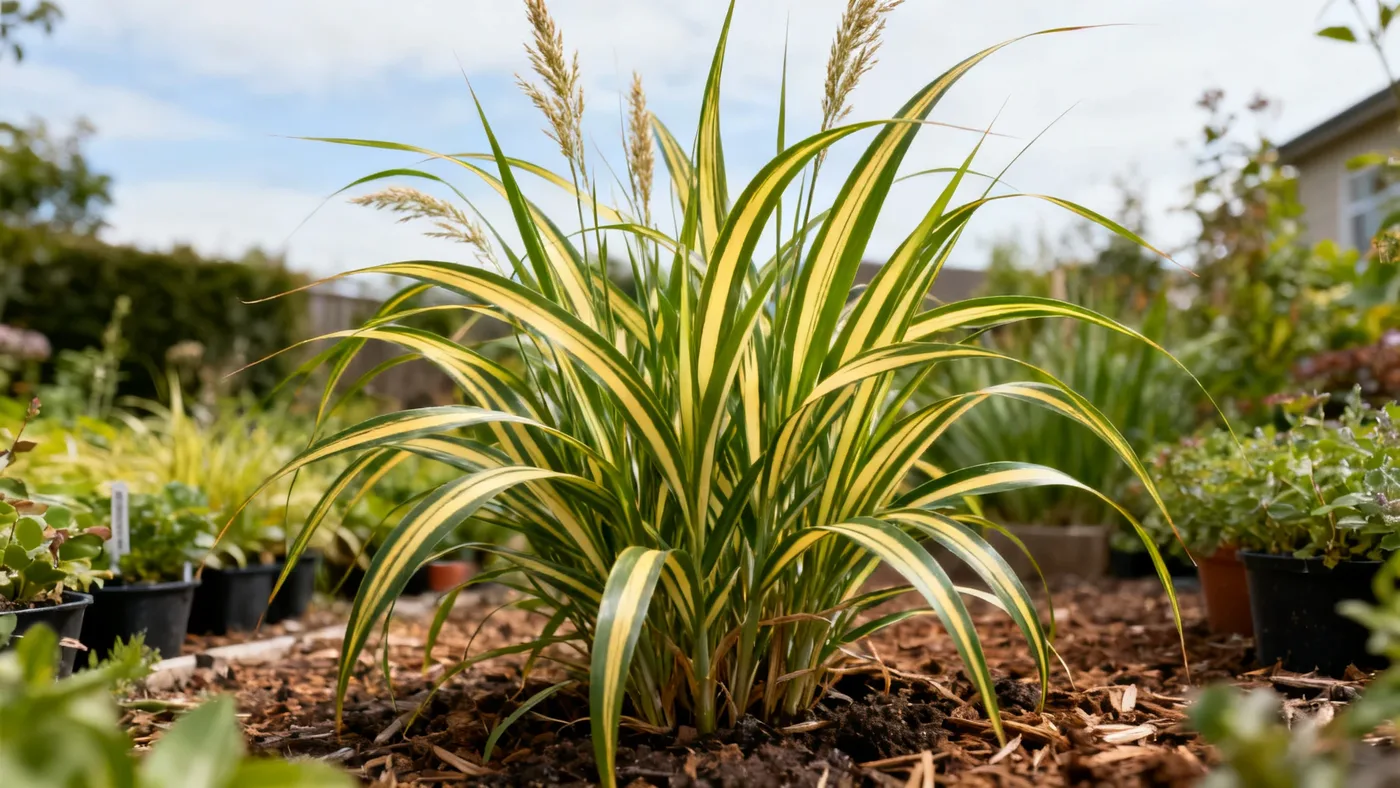
Common Dwarf Zebra Grass Pests, Diseases and Problems
Dwarf Zebra Grass is a resilient ornamental that rarely causes headaches in most gardens, but like any living plant, it can face a few challenges along the way. Once you know what to watch for, most dwarf zebra grass problems are straightforward to prevent or treat. This guide walks you through the pests, diseases, and growth issues that might show up on your Little Zebra Miscanthus, and what to do about each one.
1. Aphids
Aphids are small soft-bodied insects that cluster on new growth and feed on plant sap. You'll spot them as tiny dots, usually green or black, gathered along the stems or leaf undersides. The first sign is often sticky residue on the leaves (honeydew) where aphids have fed. Affected foliage may yellow or curl slightly, though dwarf zebra grass tolerates moderate infestations better than many perennials.
Aphids prefer tender new shoots, so they're most common on plants receiving too much nitrogen or grown in shade where growth is soft and weak. Check your plant weekly during the growing season, especially the lower inner leaves where aphids hide. A strong spray from the hose will dislodge most aphids; repeat every 3 to 5 days if needed. For persistent infestations, insecticidal soap or neem oil applied to new growth works well on dwarf zebra grass problems tied to aphid pressure.
Practical takeaway: Avoid over-fertilizing. Dwarf Zebra Grass is a light feeder, so skip the heavy feeding and you'll reduce aphid attraction. Site plants in full sun (6 or more hours daily) to encourage sturdy growth.
2. Mealybugs
Mealybugs are white, cottony-looking insects that cluster at the base of leaves or in the grass-like foliage. They feed on plant sap and excrete honeydew, which can attract secondary issues. Miscanthus mealybug has been reported in some regions and can slow growth or cause yellowing if left unchecked. Mealybugs are less common on grasses than on woody plants, but they do occasionally show up.
You'll usually notice the telltale white, waxy coating on stems or clustered between leaf bases. Check your dwarf zebra grass in summer when mealybug activity peaks. Horticultural oil or insecticidal soap applied directly to affected areas will control light infestations. For heavy pressure, repeat applications every 7 to 10 days until the cottony clusters disappear. In most cases, a single well-timed spray handles the problem before it spreads.
Practical takeaway: Inspect your plants monthly during the growing season. Early detection means one or two applications instead of a prolonged battle.
3. Spider Mites
Spider mites are tiny arachnids, barely visible to the naked eye, that feed on leaf undersides and leave behind a fine webbing. You'll spot damage as tiny yellow or tan speckles on the foliage, or a faint stippled appearance if you look closely. In severe cases, the webbing becomes obvious, draped between leaves and stems. Spider mites are occasional pests on dwarf zebra grass and usually remain minor if caught early.
These pests thrive in hot, dry conditions. Plants stressed by drought or heat are more susceptible. Once your Dwarf Zebra Grass is established, it's quite drought-tolerant, but young plants need consistent moisture during the first growing season. If you notice spider mite webbing or damage, spray the plant thoroughly with water to increase humidity and dislodge mites. Repeat every 2 to 3 days. A strong spray often solves the problem without chemicals, especially if your plant is otherwise healthy.
Practical takeaway: Water young plants regularly during their first year. Established dwarf zebra grass needs average moisture and tolerates dry spells, which reduces spider mite risk naturally.
4. Rust
Rust appears as orange, brown, or reddish pustules or powder on leaf surfaces, usually on the undersides. The affected leaves may yellow gradually. Rust is a fungal disease that spreads in warm, humid conditions, particularly when foliage stays wet overnight. Dwarf zebra grass can develop rust if grown in poorly ventilated sites or where air circulation is restricted.
Prevention is the best defense against rust. Space plants 24 to 36 inches apart to allow air to flow freely around the clump. Avoid overhead watering late in the day; water at soil level in early morning instead. Remove any leaf litter or dead foliage around the base of the plant promptly. If you see rust pustules, prune off the affected leaves or, in severe cases, cut the entire plant back. Fungal sprays are rarely necessary on dwarf zebra grass; improving air circulation solves most rust problems.
Practical takeaway: Site your plant where it gets full sun and air can move freely. Never crowd it between dense shrubs or in a shaded corner, as these conditions invite rust and other fungal issues.
5. Leaf Blight and Leaf Spot
Leaf blight and leaf spot diseases appear as dark, water-soaked lesions or spots on the foliage. The spots may expand, causing leaves to die back prematurely. These fungal issues are most common in humid or crowded growing conditions where leaves stay wet and air movement is poor. On a young plant that's still filling out, you may not notice significant damage, but as the clump matures, poor spacing makes the problem worse.
The same prevention strategy works here as for rust: space plants properly, improve air circulation, and avoid wet foliage. Water at the base of the plant, not overhead. If spots appear, remove and discard the affected leaves (don't compost them). Cut back the plant before winter to remove any diseased foliage. In most cases, these diseases don't recur the following year if you keep the planting area clean and don't overcrowd.
Practical takeaway: When planting dwarf zebra grass, respect the spacing guideline: 24 to 36 inches from neighboring plants. This single step prevents most fungal leaf diseases.
6. Flopping or Lodging
Flopping occurs when the arching foliage of dwarf zebra grass sprawls outward rather than standing upright. The plant looks loose and floppy, especially after rain or when new shoots emerge. Lodging can happen for two reasons: the plant is grown in too much shade, or the soil is too rich (from over-fertilizing). Both conditions promote weak, soft growth that can't hold itself up.
Full sun is essential. Dwarf Zebra Grass reaches its best appearance and sturdiest form in 6 or more hours of direct sun daily. In partial shade, growth loosens and banding is reduced. Equally important, avoid heavy nitrogen applications. This is a light feeder; a single balanced fertilizer application in spring is optional, and many gardeners skip feeding altogether. If you've been fertilizing heavily, reduce or stop and the plant will regain strength within a season or two.
Practical takeaway: Plant in full sun and don't fertilize unless the plant looks pale or stunted (which is rare). Sunlight and restraint from feeding will keep your dwarf zebra grass upright and compact.
7. Slow Spring Emergence
One of the most common reasons gardeners worry their dwarf zebra grass has a problem is that it's slow to green up in spring. The plant emerges later than many perennials and can look completely dead until late April or even early May, depending on your zone. This is completely normal and not a sign that anything is wrong. The dormant clump is tougher than it looks.
Don't be tempted to dig up or replant your dwarf zebra grass just because it's not emerging by mid-April. In zones 4 to 9, where this cultivar is hardy, the plant is simply waiting for soil to warm before pushing new growth. Cut back the previous year's dried foliage to 4 to 6 inches above the ground in late winter or very early spring. Once you've cleaned away the old growth, you can see the base of the plant more easily and be more confident that it's alive and waiting to sprout. In another 2 to 3 weeks, new green shoots will emerge.
Practical takeaway: If your dwarf zebra grass looks dead in April, wait. It reaches full mature size in about 2 to 3 growing seasons, and emergence timing is not a sign of vigor or problems. New growth will come.
8. Self-Seeding
The parent species Miscanthus sinensis is considered invasive in parts of the eastern and southeastern United States because it spreads by seed. The cultivar 'Little Zebra' produces viable seeds in some regions, though self-seeding rates and fertility vary by location and growing conditions. If you live in an area where Miscanthus sinensis is listed as invasive or a species of concern, it's worth checking your local or state regulations before planting any Miscanthus cultivar.
If self-seeding is a concern in your region, deadhead spent flower plumes before seeds mature and drop. Plumes mature to silvery-tan in late fall, typically from August through October. Snip off plumes once they're no longer ornamental or before seeds ripen if you want to prevent any chance of volunteer seedlings. This is easier than trying to control scattered seedlings later and preserves the winter interest of the plant for as long as desired.
Practical takeaway: Check your local extension service or state regulations about Miscanthus before planting. If self-seeding is a concern in your area, remove spent plumes in mid-to-late autumn.
Quick Reference: Dwarf Zebra Grass Problems and Solutions
| Problem | Signs to Look For | Quick Fix |
|---|---|---|
| Aphids | Sticky residue on leaves; tiny insects on new growth | Spray with water every 3–5 days or apply insecticidal soap |
| Mealybugs | White, cottony clusters on stems or leaf bases | Apply horticultural oil or insecticidal soap; repeat every 7–10 days |
| Spider Mites | Fine webbing; tiny yellow speckles on leaves | Spray with water to increase humidity; repeat every 2–3 days |
| Rust | Orange or reddish pustules, usually on leaf undersides | Prune affected leaves; improve air circulation and spacing |
| Leaf Blight/Spot | Dark, water-soaked lesions spreading on foliage | Remove affected leaves; space plants 24–36 inches apart |
| Flopping Growth | Loose, sprawling stems; weak upright form | Plant in full sun (6+ hours); avoid heavy fertilizing |
| Slow Spring Emergence | Plant looks dead until late April or May | Wait; this is normal. Don't dig it up |
| Self-Seeding | Volunteer seedlings near mature plants (varies by region) | Deadhead plumes before seeds mature; check local regulations |
For more detailed care information and seasonal maintenance, see The Complete Dwarf Zebra Grass Care Guide for Every Season.