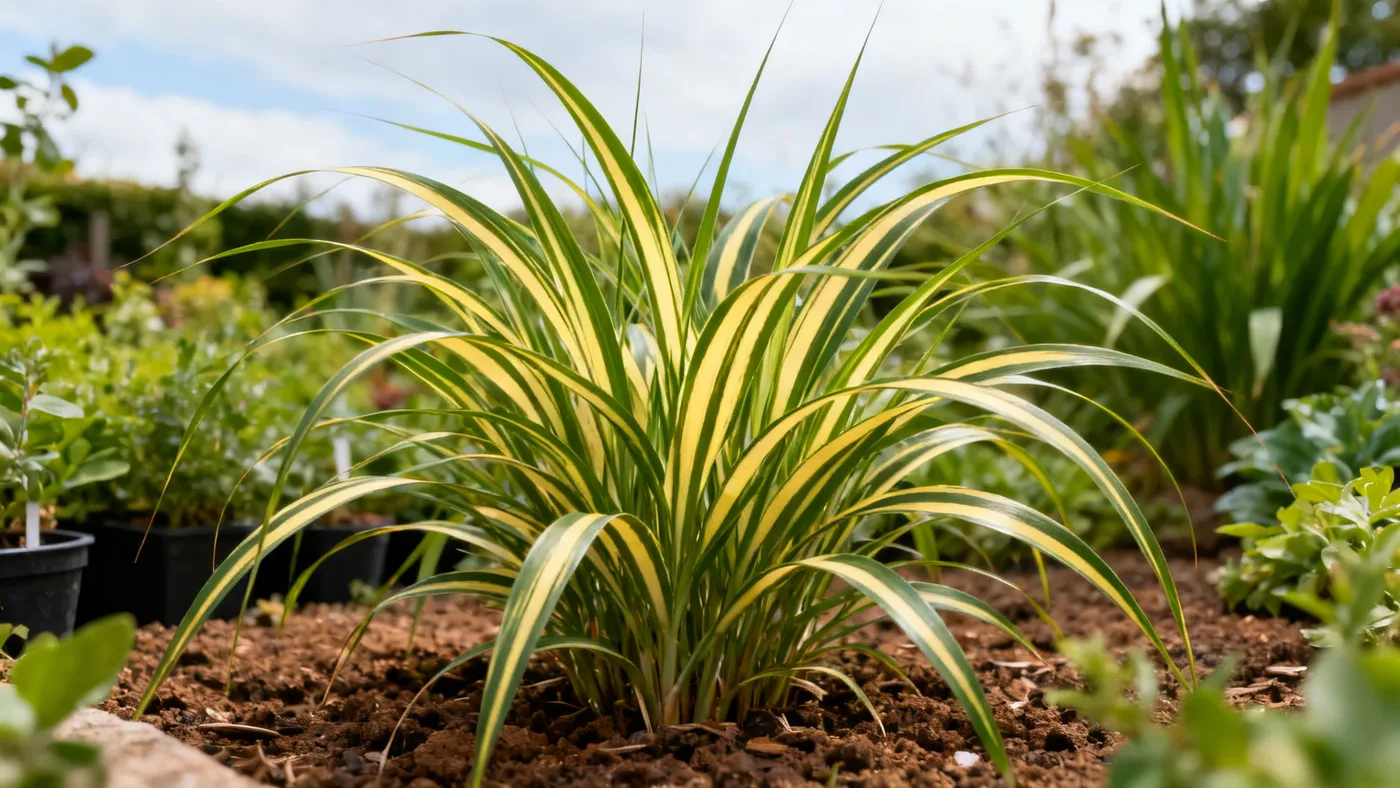
Is Dwarf Zebra Grass Drought and Heat Tolerant?
Dwarf Zebra Grass (Miscanthus sinensis 'Little Zebra') is a resilient ornamental grass well suited to warm, dry growing conditions. Once established in your garden, it tolerates drought well and thrives in heat. This guide answers your most common questions about its water needs, heat performance, and how to get the best results in challenging climates.
Basic Drought and Heat Tolerance
Is Dwarf Zebra Grass truly drought tolerant once established?
Yes. Once the root system has matured (typically 2 to 3 growing seasons after planting), Dwarf Zebra Grass tolerates drought well and needs little supplemental watering except during extreme heat waves or prolonged dry spells. The plant's deep, fibrous root system allows it to access soil moisture deep underground, reducing its dependence on frequent surface watering.
How does Dwarf Zebra Grass perform in heat?
This grass thrives in hot conditions and is rated for USDA zones 4 through 9, covering most of North America. It actually performs better in warm climates, where its variegated foliage becomes more vivid and its bloom cycle is reliable. Heat stress is unlikely to damage the plant if soil moisture is present.
Will my Dwarf Zebra Grass survive a dry summer with no watering?
Established plants can survive dry summers, but regular watering during the growing season keeps the plant vigorous and reduces stress. If you live in an arid climate (zones 4 to 9), supplement rainfall during hot months to encourage dense growth and reliable flowering. Occasional watering is far better than strict drought conditions for several consecutive months.
What temperature range does this grass prefer?
Dwarf Zebra Grass is rated for USDA zones 4 through 9, meaning it tolerates winter cold down to zone 4 and summer heat typical of zone 9. The plant is a warm-season grass, which means it grows most vigorously during warm months and blooms in late summer through fall, roughly August through October depending on your region.
Water Requirements and Watering Schedule
How much water does Dwarf Zebra Grass need per week?
During the growing season, water newly planted grass 1 to 2 times per week if no rain falls. Established plants (after 2 to 3 years) need watering only during extended dry periods lasting more than 2 weeks without rain. Always let soil dry out between waterings; the plant does not like standing water or waterlogged soil.
Should I water in the morning or evening?
Water early in the morning (before 9 a.m.) to allow foliage to dry quickly and reduce the risk of fungal disease. Evening watering leaves moisture on the leaves overnight, creating conditions for rust or leaf spot, especially in humid climates. Morning watering also gives the plant all day to use the water before heat stress peaks.
What is the best way to water Dwarf Zebra Grass?
Use drip irrigation or soaker hoses placed at the base of the plant, directing water to the soil rather than the foliage. If you use overhead sprinklers, water early in the morning and water deeply enough that the soil is moist 6 to 8 inches deep. Shallow, frequent watering encourages weak roots and fungal problems; deep, less frequent watering builds drought resistance.
Do I need to water in fall and winter?
In fall and early winter, water only if autumn rains do not fall and soil feels dry to the touch. Once the plant goes dormant (foliage browns and you cut it back to 4 to 6 inches above the ground in late winter or very early spring), watering is not needed until growth resumes in spring. Most gardens receive enough winter and early spring moisture from snow and rain.
Soil and Drainage Considerations
What soil type helps Dwarf Zebra Grass tolerate drought best?
Well-drained soil is essential for drought tolerance. The plant adapts to most soils including clay, but prefers moist, well-drained conditions with a pH roughly between 5.5 and 7.5. Adding organic matter (2 to 3 inches of compost) before planting improves both clay and sandy soils' ability to retain moisture without becoming waterlogged.
Can I grow Dwarf Zebra Grass in sandy soil?
Sandy soil drains very quickly, which means the plant will need supplemental watering more often than in loamy or clay-amended soil. If your site has sandy soil, amend it with 2 to 3 inches of compost or aged manure before planting to increase water retention. Mulching around the base with 1 to 2 inches of wood chips or shredded leaves also slows moisture loss in sandy conditions.
Does standing water kill Dwarf Zebra Grass?
Yes. The plant does not tolerate waterlogged or boggy soil. If your site collects standing water after rain, amend with compost to improve drainage or consider planting on a slight mound. Prolonged standing water leads to root rot and fungal diseases like leaf blight.
Establishment and First-Year Care
Is a newly planted Dwarf Zebra Grass as drought tolerant as an established plant?
No. Newly planted grass needs consistent moisture during its first growing season (spring through early fall) to establish a deep root system. Water 1 to 2 times per week if no rain falls, keeping soil evenly moist but not soggy. Once the plant reaches full mature size in 2 to 3 growing seasons, drought tolerance increases significantly.
When is the best time to plant Dwarf Zebra Grass to maximize drought tolerance later?
Spring planting (after the last frost) is best because it gives the plant a full growing season to root deeply before winter dormancy. Early fall planting is workable in milder zones, but spring-planted grass has more time to establish drought resistance before its first winter. Either way, space plants 24 to 36 inches apart and water consistently through the first season.
Should I mulch around newly planted Dwarf Zebra Grass?
Yes. A 2-inch layer of wood chips or shredded bark around the base (but not touching the crown of the plant) keeps soil cooler and conserves moisture during the establishment phase. Remove or thin mulch once the plant is fully established to avoid trapping moisture against the crown, which can invite rot.
Regional and Climate Considerations
Does Dwarf Zebra Grass need more water in southern climates?
Yes. In USDA zones 8 and 9, summers are hotter and longer, so supplemental watering 1 to 2 times per week during dry spells is common even for established plants. Northern gardeners (zones 4 to 6) may rarely need to water once plants are established because cooler temperatures and more frequent rainfall reduce water loss. Adjust your watering schedule to local rainfall and temperature patterns.
How does Dwarf Zebra Grass handle humidity and tropical conditions?
The plant tolerates moderate salt exposure and warm, humid conditions but is not designed for tropical or subtropical swamps. In very humid climates, ensure the site has good air circulation and water only at soil level to reduce fungal diseases like rust and leaf spot. Full sun (6 or more hours daily) helps the plant stay vigorous in humid regions.
Can Dwarf Zebra Grass grow in a high-altitude or windy location?
Yes. The plant's compact size (3 to 4 feet in foliage, 4 to 5 feet including flower plumes) and moderate growth rate make it suited to exposed, windswept sites. Wind actually helps reduce moisture stress by promoting air circulation around the foliage. Space plants at least 24 inches apart for good airflow.
Common Problems During Drought and Heat
What does Dwarf Zebra Grass look like when it is drought-stressed?
Drought-stressed plants may appear pale, loose, or floppy rather than upright and dense. The variegated yellow and green bands may become less visible if the plant is severely stressed. If your grass looks this way, water deeply and allow the soil to dry slightly between waterings; recovery usually takes 1 to 2 weeks.
Can extreme heat damage Dwarf Zebra Grass?
Extreme heat rarely damages this grass if the plant has access to soil moisture. However, extended heat combined with drought stress can slow growth and reduce flowering. Provide supplemental water during heat waves (temperatures above 95 degrees Fahrenheit) lasting more than a few days.
Why is my Dwarf Zebra Grass flopping over in full sun?
Flopping, or lodging, is usually caused by too much shade, overly rich soil that encourages weak, floppy growth, or overcrowding. This grass performs best in full sun (6 or more hours daily). Avoid over-fertilizing; the plant is a light feeder and needs only balanced, moderate fertilizer applied in spring if growth is poor.
Long-Term Maintenance and Drought Resilience
Does Dwarf Zebra Grass need fertilizer to stay drought tolerant?
No. The plant is a light feeder and actually stays more vigorous and drought-resilient with minimal fertilizing. A balanced, moderate fertilizer application in spring is optional and improves growth only in very poor soil. Avoid over-fertilizing, which causes weak, floppy growth and reduces drought tolerance.
Should I cut back the foliage to improve drought tolerance?
Cut all foliage back to 4 to 6 inches above the ground in late winter or very early spring before new growth emerges. This annual pruning removes dead tissue, prevents disease, and encourages vigorous new growth each spring. The cut-back foliage does not improve current-season drought tolerance but keeps the plant healthy long-term.
How often should I divide Dwarf Zebra Grass to keep it healthy?
Divide established clumps every 3 to 5 years in early spring to maintain vigor and prevent the center from becoming woody or weak. Division refreshes the plant and is an easy way to propagate more plants for your landscape. Dividing does not directly improve drought tolerance but keeps the plant young and resilient.
Additional Considerations
Can I grow Dwarf Zebra Grass in a large container if I live in a dry climate?
Yes. The plant is well suited to large containers given its compact size relative to standard zebra grass. Container plants do require more frequent watering than in-ground plants because containers dry out faster; water when the top inch of soil feels dry, but allow some drying between waterings. Use a pot at least 15 gallons in size with drainage holes and quality potting soil amended with compost.
Does Dwarf Zebra Grass compete well with other drought-tolerant plants?
Yes. It pairs well with sedums, rudbeckias (black-eyed Susans), echinaceas (coneflowers), Russian sage, and ornamental sedges, all of which thrive in similar sunny, well-drained conditions. Space plants 24 to 36 inches apart to allow good air circulation and prevent competition for water. Companion planting with other drought-tolerant species reduces overall watering needs.
What is salt tolerance like in Dwarf Zebra Grass?
The plant has moderate salt tolerance, making it suitable for landscapes near roads treated with road salt or coastal areas with some salt spray. However, it is not a top choice for extremely saline or coastal sites; if your area has high soil salinity, test your soil before planting and amend as needed.
For more detailed care information and seasonal guidance, see our complete Dwarf Zebra Grass care guide.
Quick Reference Checklist
| Aspect | Details |
|---|---|
| Drought tolerance (established) | Good; minimal water once roots mature (2-3 years) |
| Heat tolerance | Excellent; rated USDA zones 4-9 |
| First-year watering | 1-2 times weekly if no rain; keep soil moist |
| Established watering | Only during extended dry periods (2+ weeks no rain) |
| Preferred soil | Moist, well-drained; pH 5.5-7.5; amend with compost |
| Full mature size | 3-4 ft foliage; 4-5 ft with flower plumes |
| Spacing | 24-36 inches apart |
| Planting season | Spring after last frost (best); early fall workable |
| Full sun requirement | 6+ hours daily for best performance |
| Blooming period | Late summer through fall (Aug-Oct, varies by region) |
| Annual pruning | Cut to 4-6 in above ground in late winter/early spring |
| Division interval | Every 3-5 years in early spring |
| Salt tolerance | Moderate; not for highly saline sites |
| Container suitability | Yes; 15+ gallon pot with drainage |
| Winter dormancy | No watering needed after foliage is cut back |