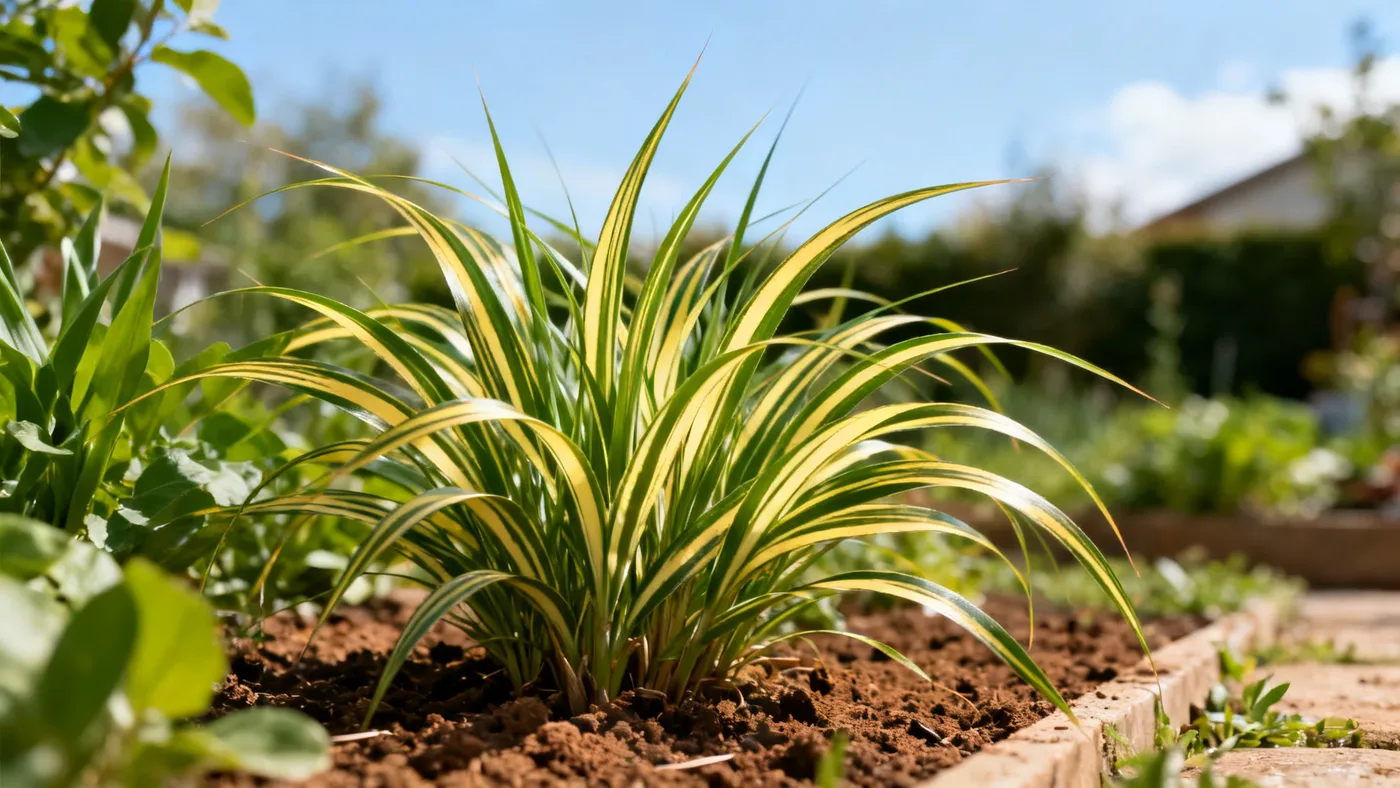
Do You Really Need to Fertilize Dwarf Zebra Grass?
The short answer is no. Dwarf Zebra Grass is a light feeder that can thrive without supplemental fertilizer in most home gardens. But there's nuance to that answer, and understanding when (and when not) to fertilize can mean the difference between a clump that maintains tight, attractive growth and one that flops over from too much nitrogen.
This guide walks you through everything you need to know to fertilize Dwarf Zebra Grass the right way, or to skip fertilizing altogether and still get beautiful results.
Is Fertilizer Necessary?
Dwarf Zebra Grass is a moderate grower that reaches full mature size in about 2 to 3 growing seasons. It's not a heavy feeder, meaning it doesn't depend on rich soil or frequent nutrient applications to perform well. In fact, overfertilizing is one of the most common mistakes home gardeners make with ornamental grasses. It often causes loose, floppy growth that makes the plant look weak and unkempt.
If your soil is reasonably healthy (not pure sand or severely compacted clay), your Dwarf Zebra Grass will likely establish and flourish without any additional fertilizer. USDA zones 4 through 9, where this plant thrives, typically have enough organic matter and beneficial microbes in the soil to support moderate-growing ornamental grasses.
You might consider fertilizing only if:
- Your soil is very poor, sandy, or depleted
- The plant is not showing vigorous new growth after the first full growing season
- You want to maximize flower plume production in late summer and fall
If none of those apply, your Dwarf Zebra Grass will do just fine on its own.
Materials and Ingredients You'll Need
If you do decide to fertilize, you don't need expensive specialty products. Here's what works:
Balanced fertilizer
- NPK ratio close to 10-10-10 or similar
- All-purpose granular fertilizer or diluted liquid fertilizer formulated for perennials or ornamental grasses
- Do not use high-nitrogen formulas (like lawn fertilizers), which promote excessive leafy growth at the expense of flower production
Slow-release or organic options
- Well-aged compost
- Fish emulsion (diluted per label directions)
- Bone meal (for phosphorus, which supports flowering)
- Balanced organic fertilizer granules
Application tools
- Small hand-held spreader or your hands (for granular products)
- Watering can or hose-end sprayer (for liquid fertilizers)
- Ruler or measuring tape to gauge clump size
- Garden gloves (optional but helpful)
- 2 to 3 gallon watering can for follow-up watering
Step-by-Step Fertilizing Instructions
Timing matters tremendously. Spring is the only time you should fertilize this plant.
Step 1: Wait for new growth to emerge
Dwarf Zebra Grass is slow to emerge in spring. After you cut the foliage back to 4 to 6 inches above the ground in late winter or very early spring, the new shoots can take several weeks to appear. This is normal and does not mean your plant is dead. Wait until you see fresh green blades emerging from the center of the clump before you even think about fertilizing. This usually happens 4 to 6 weeks after your late-winter pruning, depending on your zone.
Step 2: Apply fertilizer when new growth is 3 to 4 inches tall
Once the new foliage is clearly established and you can see the clump beginning to expand, apply a balanced, moderate fertilizer. Moderate is key here. Do not use the full recommended rate on the product label. Instead, use about half the suggested rate, or follow any label directions that specify "for ornamental grasses." Over-application is the fastest way to create loose, floppy growth.
If you're using granular fertilizer, scratch a small amount into the soil around the base of the clump, staying a few inches away from the center. If you're using liquid fertilizer, dilute it per label instructions and apply it evenly to the soil around the plant.
Step 3: Water thoroughly after applying granular fertilizer
If you've used a dry, granular product, water deeply immediately after application. This helps the nutrients move into the soil much faster than leaving it to wait for rain. A thorough soaking makes the fertilizer available to the roots within hours rather than days.
Step 4: Do not fertilize again until next spring
One moderate application in spring is all this plant needs. Fertilizing in summer or fall can trigger new soft growth that frost damage will kill back, and it often leads to the floppiness you're trying to avoid in the first place.
Tips and Common Mistakes to Avoid
Mistake: Using lawn fertilizer or high-nitrogen products
Lawn fertilizers are formulated to push blade growth and create dense turf. On an ornamental grass, they produce weak, floppy stems that drape to the ground. Stick to a balanced product or one labeled for ornamental grasses.
Mistake: Over-fertilizing to speed up growth
Dwarf Zebra Grass reaches full mature size (3 to 4 feet in foliage height, 2 to 3 feet wide, or 4 to 5 feet tall including flower plumes) in 2 to 3 growing seasons at its natural pace. You cannot make it grow faster or larger by feeding it extra fertilizer. What you can do is weaken it. If you want a larger display, plant a few clumps together rather than over-feeding one clump.
Mistake: Fertilizing in fall or late summer
Dwarf Zebra Grass blooms in late summer through fall, roughly August through October depending on your zone. If you apply fertilizer at this time, you risk pushing new vegetative growth that will freeze back in winter and waste the plant's energy.
Mistake: Ignoring soil condition
Before you apply fertilizer, consider what soil your Dwarf Zebra Grass is actually planted in. This plant is adaptable to most soils, including clay, and prefers moist, well-drained conditions. If your soil is reasonable and you're watering appropriately during dry spells, you may not need fertilizer at all. Soil that already contains compost or organic matter can support this plant's needs without additional feeding.
Mistake: Fertilizing a plant that is already healthy
This is the most important rule. If your Dwarf Zebra Grass is putting out vigorous new growth, maintaining its distinctive horizontal yellow and cream banding, and flowering reliably each fall, you do not need to fertilize. Healthy plants that receive too much fertilizer do not become "more healthy." They become weaker and floppier.
What to Expect After Fertilizing
After a spring application of balanced, moderate fertilizer, you may notice slightly more robust new growth in late spring and early summer. Some gardeners report potentially increased flower plume production in late summer and fall. However, if your plant was already healthy, you may see no dramatic change in clump size or overall appearance.
If you applied fertilizer and see floppy growth a few weeks later, do not apply any more. The impact is usually temporary, and next spring the plant will re-establish a normal, compact habit. In future years, skip the fertilizer altogether or reduce the application rate by half again.
If you chose not to fertilize and your plant looks just as good as it did last year, you have confirmed that you don't need to fertilize. Leave it alone.
For more detailed guidance on year-round Dwarf Zebra Grass care, including pruning timing and seasonal maintenance, see the complete Dwarf Zebra Grass care guide for every season.
Quick Reference: Fertilizing Checklist
| Task | Timing | Details |
|---|---|---|
| Prune foliage back | Late winter / very early spring | Cut to 4 to 6 inches above ground |
| Wait for emergence | 4 to 6 weeks after pruning | Do not fertilize yet; be patient |
| Assess new growth | When shoots are 3 to 4 inches tall | Confirm clump is actively expanding |
| Apply fertilizer | Spring only | Balanced formula, half the recommended label rate |
| Water after application | Immediately (for granular products) | Soak the soil around the base |
| Avoid fertilizing | Summer, fall, winter | Wait until next spring |
| Evaluate health | Throughout the growing season | Healthy clump = likely no fertilizer needed next year |