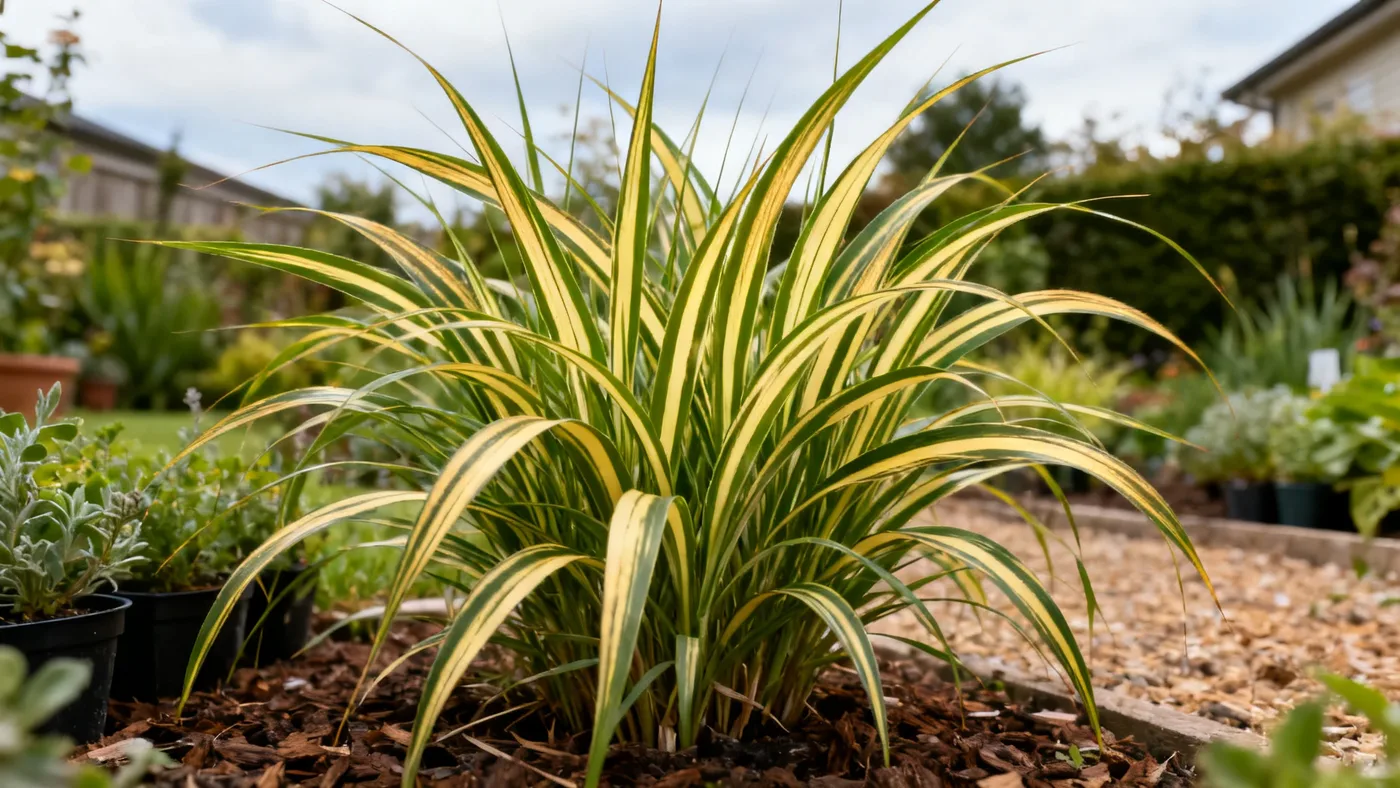
How Often Should You Water Dwarf Zebra Grass?
Watering Dwarf Zebra Grass correctly is one of the simplest keys to keeping this striped ornamental looking its best. Unlike some finicky perennials, this plant is forgiving once you understand its natural water needs. The answer isn't a one-size-fits-all schedule, but rather a method based on soil moisture, season, and how established your plant has become.
Understanding Dwarf Zebra Grass Water Needs
Dwarf Zebra Grass (Miscanthus sinensis 'Little Zebra') prefers average to medium moisture and is drought tolerant once established. What does that mean in practice? When the plant is young, right after planting, it needs more consistent moisture to develop a strong root system. Once the plant is 2 to 3 years old and has filled out to its mature size of 3 to 4 feet tall and 2 to 3 feet wide, it becomes remarkably self-sufficient.
The most important thing to know is that Dwarf Zebra Grass does not like standing water. Soggy, waterlogged soil will rot the rhizomes and cause more problems than drought ever would. The goal is moist, well-drained soil, not wet soil.
Materials You'll Need
- A watering can or garden hose with an adjustable nozzle
- A soil moisture meter or your finger (for the finger test)
- Mulch (optional but helpful, 2 to 3 inches of wood chips or shredded bark)
- A garden knife or trowel (for checking soil depth)
- Rain gauge (optional, useful for tracking natural rainfall)
Step-by-Step Watering Guide
Step 1: Check Your Soil Moisture
Before you water, always check whether the soil actually needs water. Stick your finger into the soil 2 to 3 inches deep near the base of the plant. If the soil feels moist at that depth, wait. If it feels dry, it's time to water. This single habit prevents most watering mistakes.
If you prefer a tool, a soil moisture meter takes the guesswork out. Most meters cost under $15 and give you a reading on a simple scale from dry to wet.
Step 2: Water Deeply at the Base
Apply water slowly and directly at the base of the plant, not on the foliage. Wetting the leaves increases the risk of fungal issues, especially in humid climates. Use a soaker hose or a watering wand held close to the ground. Water should soak down, reaching the roots rather than running off the surface.
For a young Dwarf Zebra Grass in its first growing season, water until the soil is moist to about 6 inches deep. For an established plant, water until moisture reaches about 4 to 5 inches down. The goal is a consistent, even moisture, not a quick spray.
Step 3: Check Soil Drainage
After watering, observe how the soil drains. Water should soak in within a few hours, not pool at the surface for days. If water sits on top or drains extremely slowly, your soil needs amending with compost or sand to improve drainage. Dwarf Zebra Grass can adapt to clay soil, but only if drainage is improved.
If your garden naturally stays waterlogged after rain, consider planting Dwarf Zebra Grass in a raised bed or mound to prevent root rot.
Step 4: Observe Your Plant's Response
After 2 to 3 weeks of watering on a schedule you've established, look at your plant. The foliage should appear upright and fresh. The leaf blades should have vibrant green color with the distinctive creamy-yellow horizontal bands. If the plant looks turgid and drooping, you're overwatering. If it looks wilted and stressed, increase watering frequency.
Watering Schedule by Season
Spring (After Last Frost Through May)
When growth is most active, newly planted Dwarf Zebra Grass needs consistent moisture. Water 2 to 3 times per week if there's no significant rainfall. Established plants need water only if natural rainfall doesn't provide about 1 inch per week. Once new shoots are 8 to 10 inches tall, the plant's root system is actively pulling water from deeper soil layers.
Summer (June Through August)
This is when you'll see whether your plant truly needs supplemental watering. Dwarf Zebra Grass has good drought tolerance once established. Water young plants (less than 2 years old) deeply once every 7 to 10 days if there's no rain. Established plants often need no supplemental watering except during heat waves or drought lasting more than 2 weeks.
In very hot climates or during extreme heat events, even drought-tolerant plants benefit from a deep watering every 10 to 14 days to prevent stress that reduces flowering.
Fall (September Through November)
As temperatures drop and the plant enters dormancy, reduce watering frequency. Continue to water young plants if the soil is dry, but established plants rarely need supplemental water in fall unless the season is abnormally dry. Watch for the foliage to turn tan, gold, and bronze tones as a sign that the plant is entering dormancy naturally.
Winter and Early Spring (December Through March)
Do not water dormant Dwarf Zebra Grass except in cases of severe drought lasting several months. The foliage is cut back to 4 to 6 inches above the ground in late winter or very early spring before new growth emerges. At this point, the plant's needs are minimal. Excess moisture during dormancy can cause rot.
Signs Your Plant Needs Water
Watch for these visible signs that Dwarf Zebra Grass is becoming drought-stressed:
- Leaf blades appear slightly rolled or thin, not as full and arching as usual
- Foliage takes on a dull or grayish tone rather than vibrant green
- The leaf tips begin to brown or crisp at the edges, starting with older, lower foliage
- The plant looks visibly wilted, especially in the afternoon heat
If you see any of these signs, water deeply within a few hours. The plant will usually recover within 24 to 48 hours of proper watering.
Signs You're Overwatering
Overwatering causes more problems than underwatering with this plant. Watch for these warning signs:
- Foliage appears droopy and soft rather than turgid and upright
- Leaf color fades or yellows, especially lower leaves
- Soil remains saturated or muddy more than 24 hours after watering
- A musty or rotten smell near the base of the plant
- New growth is weak or does not emerge normally in spring
If you suspect overwatering, stop watering immediately and improve drainage by aerating the soil or amending it with coarse sand or compost. In extreme cases where the rhizome has begun to rot, the plant may not recover.
Tips for Success
Apply mulch around the base of the plant, staying 3 to 4 inches back from the crown. A 2 to 3 inch layer of shredded bark or wood chips keeps soil moisture more consistent and reduces temperature fluctuations around the roots. Mulch also suppresses weeds that would compete for water.
Water in early morning, ideally between 6 and 9 a.m., so any leaf moisture has time to dry. Morning watering also means soil moisture is at its peak during the hottest part of the day, when the plant is drawing water most actively.
After heavy rain, check your soil before watering again. Dwarf Zebra Grass in a well-drained location may not need supplemental water for 7 to 10 days after rainfall because the soil retains adequate moisture. Overwatering right after rain is a common mistake.
Account for container growing if your Dwarf Zebra Grass is in a pot. Containers dry out much faster than in-ground beds. Container plants need checking every 2 to 3 days during the growing season and may need watering more frequently than their in-ground counterparts. Large containers (18 inches or wider) dry more slowly than small pots.
Common Mistakes to Avoid
Many gardeners underwater young plants, thinking they're drought tolerant from day one. They aren't. A newly planted Dwarf Zebra Grass needs consistent moisture for its first growing season to develop roots.
Conversely, many gardeners overwater because they think frequent watering means the plant is healthy. Less frequent deep watering produces stronger roots than frequent shallow watering. The goal is encouraging roots to grow deep into the soil, not staying in the top 2 inches.
Don't assume rainfall is enough without checking soil moisture. An inch of rain sounds substantial, but sandy or clay soil may hold water differently. Always use your finger test or a meter to verify actual soil conditions.
Don't wait for visible wilting before watering. Repeated stress cycles, even if the plant recovers, reduce vigor and flowering. Prevent drought stress rather than reacting to it.
Expected Results
With proper watering, you can expect Dwarf Zebra Grass to fill out to its full mature size of 3 to 4 feet in foliage height (4 to 5 feet including flower plumes) within 2 to 3 growing seasons. The distinctive horizontal creamy-yellow banding on the green blades becomes more vivid with healthy moisture and full sun exposure.
Properly watered plants bloom reliably, producing coppery-pink to reddish plumes in late summer into fall, roughly August through October depending on your region. These plumes mature to silvery-tan or white and persist through winter, providing outstanding seasonal interest.
When drought stress occurs repeatedly, flowering may be reduced, foliage color becomes less vibrant, and the plant takes longer to reach full size. Good watering practices prevent this and lead to the most attractive, vigorous plants.
For more detailed care information, see the complete Dwarf Zebra Grass care guide for every season.
Quick Reference Watering Checklist
| Condition | Watering Frequency | Notes |
|---|---|---|
| Newly planted (Year 1) | 2-3 times per week in spring/summer | Check soil 2-3 inches deep; keep consistently moist until established |
| Established plant, no rainfall | Every 7-10 days | Once established (2-3 years), drought tolerant; water only if soil is dry |
| After rainfall of 1+ inches | Wait 7-10 days before checking | Skip watering; verify soil moisture before adding water |
| Summer heat wave | Every 10-14 days | Even drought-tolerant plants benefit from one deep watering during extreme heat |
| Container-grown plants | Every 2-3 days during growing season | Containers dry faster; check soil daily in heat |
| Dormant (December-March) | No supplemental water needed | Do not water; allow winter dormancy; water only during prolonged drought |